
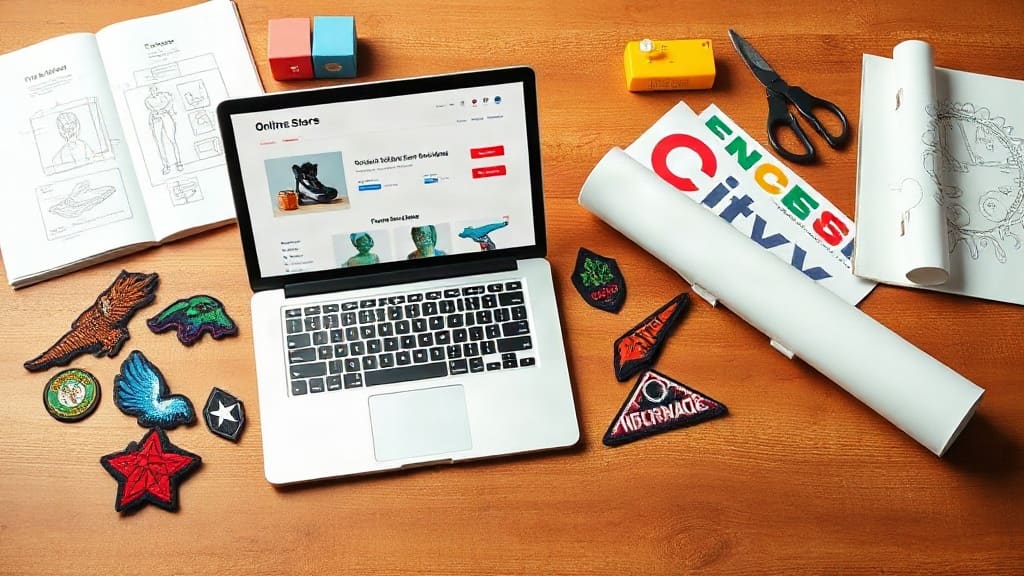
Are you looking for a low-risk way to start your own online business? Print on demand might be your perfect match. This business model allows you to sell custom products without holding inventory. Among the wide range of products available, custom patches and custom banners offer unique opportunities for creativity and profitability. In this guide, we'll explore how you can launch a successful print on demand venture, with a special focus on these two product categories.
Starting a business is exciting, but it can also be overwhelming. With print on demand, you can test ideas without breaking the bank. Whether you're a designer, a hobbyist, or an entrepreneur, this model empowers you to turn your designs into tangible products. Let's dive into the specifics and discover how to make your mark in the industry.
Understanding the Print on Demand Business Model
Print on demand (POD) is a fulfillment method where products are printed only after a customer places an order. This means you don't need to invest in inventory upfront. Your supplier handles the production and shipping. You only pay for the product when you make a sale, making it a cost-effective way to test new products and designs.
The POD market has grown significantly in recent years, thanks to the rise of e-commerce and the demand for personalized items. What sets POD apart is its flexibility. You can offer a wide range of products, from t-shirts to mugs, and in our case, custom patches and custom banners.
Why Custom Patches and Banners?
Patches and banners are not the first products that come to mind when you think of POD, but they have a strong niche market. Patches are used by bikers, scouts, military personnel, and fashion enthusiasts. They can be embroidered or woven and are often used to personalize jackets, bags, and uniforms. Banners, on the other hand, are popular for events, marketing, and home decor. They can be printed in various sizes and materials, making them versatile for businesses and individuals alike.
Steps to Start Your Print on Demand Business
1. Choose Your Niche
The first step is to define your target audience. Are you focusing on sports teams, outdoor enthusiasts, or corporate clients? For patches, you might target motorcycle clubs or outdoor gear lovers. For banners, you could target event planners or small businesses. Your niche will guide your designs and marketing strategies.
2. Find a Reliable POD Supplier
Your supplier is your backbone. Look for a company that offers high-quality printing and embroidery, a user-friendly platform, and competitive pricing. For patches, you need a supplier that specializes in embroidery and can handle various sizes and shapes. For banners, you need one that offers large-format printing and materials like vinyl or fabric. Research reviews and test samples before committing.
3. Create or Source Your Designs
Designs are the heart of your products. If you're a designer, you can create your own. If not, consider hiring freelancers or using design templates. For patches, consider the size, shape, and stitching details. For banners, think about the message and visual impact. Ensure your designs are high-resolution and meet the supplier's requirements.
4. Set Up Your Online Store
You can sell through your own website or platforms like Etsy, Amazon, or Shopify. Each has its pros and cons. A dedicated store gives you more control, but marketplaces offer built-in traffic. Use high-quality product images and detailed descriptions to attract customers.
5. Integrate Your Store with a POD Service
Most POD services integrate seamlessly with e-commerce platforms. You can connect your store and automatically fulfill orders. This means when a customer buys a product, the order is sent to your supplier, who prints and ships it directly.
6. Market Your Products
No business succeeds without marketing. Use social media, content marketing, and email campaigns to reach your audience. Showcase your products in action, share behind-the-scenes content, and engage with your community. For custom patches, target hobbyist groups. For custom banners, reach out to event planners and businesses.
Designing Custom Patches That Sell
Patches are more than just pieces of fabric. They tell a story. To create patches that resonate with your audience, consider the following:
- Purpose: Are you creating patches for identification, fashion, or commemoration? The use case will influence the design.
- Colors: Choose colors that stand out and align with your brand or niche.
- Shape: Custom shapes are more attractive than standard circles or rectangles.
- Texture: Embroidered patches have a classic feel, while woven patches are more detailed.
If you're targeting a specific group, research their preferences. For example, bikers often prefer bold, rugged designs, while outdoor enthusiasts might appreciate nature-themed patches.
Creating Eye-Catching Custom Banners
Banners are powerful marketing tools. They can be used for trade shows, grand openings, or even home celebrations. To create banners that grab attention:
- Keep your message clear and concise. Avoid clutter.
- Use high-contrast colors to ensure readability from a distance.
- Choose the right material: vinyl banners are durable and weather-resistant, while fabric banners are more eco-friendly.
- Consider the size and placement. A banner that is too small will be ignored.
When you offer custom banners, you're helping your customers communicate effectively. Provide them with options for different purposes, such as indoor or outdoor use, and offer design assistance if needed.
Tips for Success in Print on Demand
Success doesn't happen overnight. Here are some tips to help you thrive:
- Focus on quality: Your reputation depends on the quality of the products you sell. Test samples and choose reliable suppliers.
- Stay on trend: Keep an eye on what's popular. For patches, trends might include retro designs or motivational quotes. For banners, minimalist designs are trending.
- Offer personalization: Many customers want to add their own text or names. Provide options for customization.
- Build a brand: Your store should reflect your values and style. Consistent branding helps build trust.
- Provide excellent customer service: Respond to queries quickly and address issues promptly.
Common Mistakes to Avoid
As with any business, there are pitfalls. Avoid these common errors:
- Choosing the cheapest supplier without checking quality.
- Neglecting to check the competition.
- Setting prices too low or too high. Research comparable products.
- Ignoring the importance of good product photography.
- Not understanding your target audience.
Scaling Your Business
Once you have a steady stream of orders, you might want to scale. Consider expanding your product range, partnering with influencers, or running targeted ads. You could also explore selling to businesses in bulk. For example, companies often order custom patches for employee uniforms or events, and custom banners for advertising.
Frequently Asked Questions
What is the profit margin for print on demand?
Profit margins vary depending on the product and supplier. Typically, you can expect a margin of 20-40% of the selling price. Patches and banners tend to have higher margins because they are less price-sensitive than t-shirts.
How long does it take to receive custom patches and banners?
Production and shipping times vary by supplier and destination. Usually, it takes 5-10 business days for production, plus shipping time. Be transparent with your customers about estimated delivery dates.
Can I sell custom patches and banners on marketplaces like Etsy?
Absolutely! Etsy is a popular platform for custom items. You can set up your shop and integrate with a POD service. Ensure you comply with marketplace policies and provide clear listings.
Do I need to have design skills to start?
No, you don't have to be a designer. You can hire freelancers from platforms like Fiverr or Upwork, or use pre-made designs (with proper licenses). Many POD services offer design tools and templates as well.
How do I market my print on demand business on a budget?
Start with organic social media. Post engaging content using platforms like Instagram and Pinterest. Use relevant hashtags. You can also collaborate with niche influencers or run small giveaways. As you grow, consider paid ads.
Starting a print on demand business is an exciting journey. By focusing on niche products like custom patches and custom banners, you can carve out a unique space in the market. Remember to prioritize quality, understand your customers, and continuously refine your approach. With dedication and creativity, your POD business can flourish.