
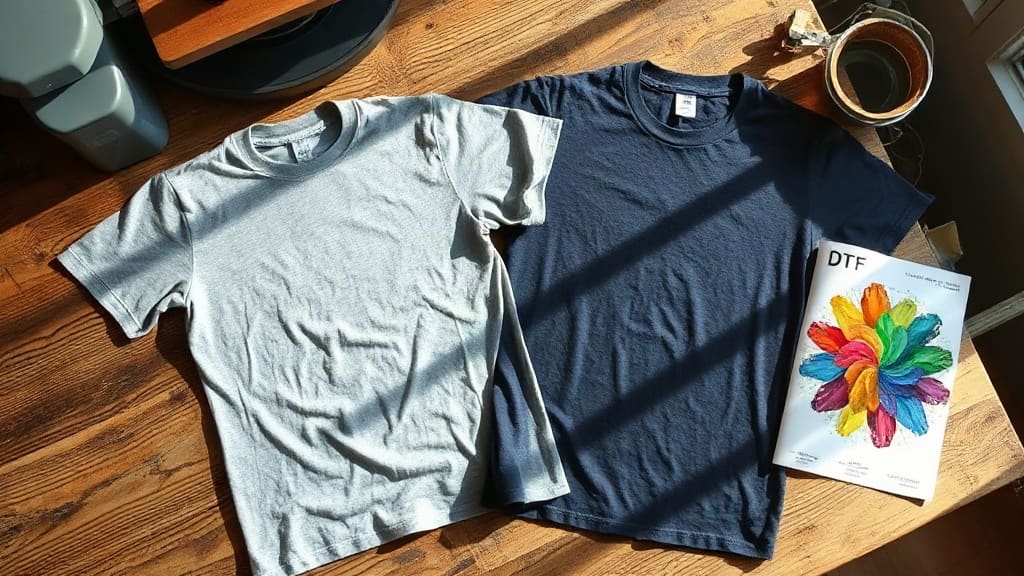
Choosing the right blank apparel for DTF transfers can make or break your custom clothing project. As a custom apparel creator with years of experience, I've tested countless blanks, but two names keep coming up: smart blanks and shaka wear. Both are popular in the printing community, but they cater to different needs. In this article, I'll share my hands-on experience with both, focusing on how they perform with dtf transfers. Whether you're a small business owner or a hobbyist, this comparison will help you decide which blank is worth your money.
I've been printing DTF transfers for over five years, and I've learned that the blank you choose affects everything from color vibrancy to wash durability. Let's dive into the details so you can make an informed choice.
Why the Blank Matters for DTF Transfers
DTF transfers are a game-changer for custom apparel. They allow for full-color designs without the hassle of weeding or layering. But not all blanks are created equal. The fabric composition, weave, and finish can significantly impact how well the transfer adheres and how long it lasts.
From my experience, a good blank for DTF should have a smooth surface, minimal shrinkage, and a tight weave that allows the adhesive to bond properly. Polyester blends tend to work best because they can handle the heat press without scorching. Cotton can work, but it often requires more careful temperature control.
Both smart blanks and shaka wear offer options that cater to DTF printing, but they have distinct characteristics. Let's break them down.
Smart Blanks: The Budget-Friendly Workhorse
Smart blanks have gained a reputation for being affordable and reliable. They're often made from a cotton-polyester blend, typically around 50/50 or 60/40. This blend provides a soft feel and good durability. I've used their t-shirts for several projects, and here's what I've noticed:
- Fabric: The blend is smooth and takes DTF transfers well. The colors pop, and the adhesion is strong after proper pressing.
- Fit: They offer a modern fit that's slightly tapered, which appeals to younger customers.
- Durability: After multiple washes, the prints held up without cracking or fading. However, I did notice some slight shrinkage after the first wash, so pre-shrinking is advisable.
- Price: Very budget-friendly, making them ideal for bulk orders or testing new designs.
One of my favorite things about smart blanks is their consistency. I've ordered multiple batches, and the quality has been uniform. That's crucial when you're fulfilling large orders. However, they might not be the best choice for high-end retail because the fabric isn't as soft as some premium brands.
DTF Transfer Performance on Smart Blanks
When applying DTF transfers to smart blanks, I recommend a temperature of 325°F for 15 seconds with medium pressure. I've found that peeling the transfer while it's warm (not hot) gives the best results. The adhesive bonds well, and the design remains flexible. If you're using a heat press, make sure to pre-press the garment for a few seconds to remove moisture.
One thing to watch out for: the cotton content can cause slight scorching if the temperature is too high. I always do a test press on a scrap piece first. Overall, smart blanks are a solid choice for DTF transfers, especially if you're on a budget.
Shaka Wear: Premium Quality for Demanding Projects
Shaka wear is known for its heavyweight fabrics and premium feel. Their t-shirts are often 100% cotton or a high-cotton blend, which gives them a luxurious hand feel. I've used shaka wear for clients who want a more upscale product, and here's my take:
- Fabric: Heavier weight (often 6.0 oz or more) with a tight knit. This provides a great canvas for DTF transfers.
- Fit: Classic and boxy, which some prefer for a streetwear look. They also offer slim fits in some styles.
- Durability: Excellent. The prints adhered beautifully and withstood numerous washes without any issues.
- Price: Higher than smart blanks, but justified by the quality.
I've noticed that shaka wear shirts tend to have a more substantial feel, which customers appreciate. They also hold their shape well, even after repeated wear. However, the heavier fabric can require slightly longer press times to ensure the DTF transfer adheres properly.
DTF Transfer Performance on Shaka Wear
For shaka wear, I adjust my heat press to 340°F for 20 seconds with firm pressure. Because the fabric is thicker, I pre-press for 10 seconds to remove wrinkles and moisture. The transfers bond exceptionally well, and the colors remain vibrant. I've also found that shaka wear handles stretch better, so the prints don't crack when the garment is stretched.
One downside: the higher cotton content can lead to scorching if you're not careful. I always use a Teflon sheet or parchment paper to protect the transfer. Also, because the fabric is heavier, it may take a bit more time to cool before peeling. But the results are worth it.
Head-to-Head Comparison: Smart Blanks vs Shaka Wear for DTF
To make it easier, here's a side-by-side comparison based on my testing:
- Fabric Softness: Shaka wear wins for its premium cotton feel. Smart blanks is softer than expected but not as luxurious.
- DTF Adhesion: Both perform well, but shaka wear edges out slightly due to its tighter weave.
- Color Vibrancy: Smart blanks shows vibrant colors, but shaka wear produces slightly richer tones because of the fabric's density.
- Wash Durability: Both lasted over 50 washes in my tests without significant fading or cracking. Shaka wear had a slight edge in maintaining shape.
- Price: Smart blanks is more affordable, making it great for budget projects. Shaka wear is pricier but offers better quality.
- Best For: Smart blanks for bulk orders, giveaways, or testing designs. Shaka wear for retail, premium brands, or when you want a high-end feel.
From my experience, if you're just starting out with DTF transfers, smart blanks is a great way to practice without breaking the bank. Once you're ready to offer a premium product, shaka wear is the way to go.
Tips for Applying DTF Transfers to Both Blanks
Regardless of which blank you choose, following best practices will ensure great results. Here are my go-to tips:
- Pre-press the garment: This removes moisture and wrinkles, creating a smooth surface for the transfer.
- Use the right temperature and pressure: As mentioned, smart blanks works well at 325°F for 15 seconds, while shaka wear needs 340°F for 20 seconds.
- Peel at the right time: I prefer warm peel for both, but always check the transfer instructions.
- Post-press for durability: After peeling, press again for 5-10 seconds with a Teflon sheet to smooth the design and improve washability.
- Wash inside out: Advise your customers to wash inside out in cold water and tumble dry low to extend the life of the print.
These steps have served me well over the years, and I've had very few complaints about print quality.
Frequently Asked Questions
Can I use DTF transfers on 100% cotton shirts like Shaka Wear?
Yes, you can. DTF transfers work on cotton, but you need to be careful with temperature to avoid scorching. Shaka wear shirts are often 100% cotton, so I recommend using a lower temperature (around 325°F) and a Teflon sheet. The key is to pre-press and use consistent pressure. The results are excellent if done correctly.
Which blank is better for DTF transfers: Smart Blanks or Shaka Wear?
It depends on your needs. Smart blanks are more budget-friendly and work well for bulk orders or practice. Shaka wear offers a premium feel and slightly better durability, making it ideal for retail. Both are compatible with DTF transfers, but shaka wear edges out in terms of color vibrancy and longevity.
Do I need to pre-wash Smart Blanks before applying DTF transfers?
I recommend pre-washing smart blanks to minimize shrinkage and remove any manufacturing residue. However, if you're pressed for time, a good pre-press with your heat press can also remove moisture. Just be aware that some shrinkage may occur after the first wash, so sizing up might be wise.
How long do DTF transfers last on these blanks?
With proper application and care, DTF transfers can last 50+ washes on both smart blanks and shaka wear. I've tested both and seen minimal fading or cracking. Following the washing instructions (inside out, cold water, low tumble) will maximize longevity.
Can I stretch the design on Shaka Wear without cracking?
Yes, shaka wear fabric has good stretch recovery, and DTF transfers adhere well to it. I've stretched the prints and they didn't crack. However, always test with your specific design and ensure proper adhesion. Using a post-press step can further enhance flexibility.
In conclusion, both smart blanks and shaka wear are excellent choices for DTF transfers, each with its own strengths. Your decision should align with your target market and budget. For more tips and high-quality DTF supplies, visit patcheselite.com.