
If you have ever tried to print a full-color design on a cotton hoodie at home, you already know the frustration. Vinyl struggles with fine detail. Screen printing needs a different setup for every color. That is exactly the gap dtf transfers fill, and it is why so many small apparel brands and print shops have quietly rebuilt their workflow around this process over the past few years. This guide walks through how DTF actually works, where it makes sense, and the practical details that separate a crisp, wash-resistant print from one that cracks after the second laundry cycle.
What DTF Printing Actually Is
DTF stands for direct-to-film. Instead of printing ink directly onto a shirt or onto a transfer paper coated with a release agent, a DTF printer lays your artwork onto a special PET film in mirror image. The printer uses water-based pigment inks, then applies a layer of hot-melt adhesive powder across the wet ink. That powder is cured under heat until it melts into the ink and forms a flexible glue layer. The result is a printed film you can store, ship, or press onto fabric whenever you need it.
The key difference from older transfer methods is that the adhesive powder becomes part of the print. When you press the film onto a garment, the powder melts again and bonds to the fibers while the film backing peels away cleanly. That is why dtf prints hold up on cotton, polyester, blends, canvas, and even some nylon, without the fabric-type restrictions that make heat transfer vinyl so finicky.
Why the Powder Layer Matters
Beginners often underestimate the curing step. If the powder is under-cured, the adhesive will not fully bond and the print peels at the corners after washing. If it is over-cured, the ink becomes brittle and cracks along fold lines. The sweet spot is usually a short bake at a temperature that melts the powder until it looks matte rather than glossy, with no loose grains left on the surface. Shops that produce transfers in volume typically cure in an oven or a dedicated shaker unit, but small operations can get consistent results with a heat press and careful timing.
Where DTF Transfers Beat the Alternatives
The honest answer is that DTF is not the best choice for every job, and pretending otherwise does a disservice to anyone setting up a shop. Here is where the process genuinely earns its place.
- Full-color designs with gradients and fine detail. Photographic prints, soft shadows, and thin line work all reproduce well because you are not limited to a fixed number of spot colors.
- Small runs and one-offs. There is no setup cost per color and no minimum order. A single custom shirt is as economical as the fiftieth.
- Dark and colored garments. A white ink base goes down under the color layer, so bright artwork stays bright on black or navy fabric.
- Mixed fabric orders. One transfer type covers cotton tees, poly performance wear, and tote bags in the same batch.
Where it falls short: DTF prints sit on top of the fabric rather than soaking in, so they have a slight hand feel compared with discharge screen printing. On very stretchy athletic fabrics, a poorly applied transfer can feel stiff. And on garments with heavy texture or thick seams, you need extra pressure and sometimes a pressing pillow to get the film to conform.
Finding a Reliable Supplier
For a lot of people, the first real question is practical: where do you actually buy these things? Searching for dtf transfers near me usually turns up a mix of local print shops, online gang-sheet services, and shops that will print your artwork to order. A few things are worth checking before you commit to a supplier.
- Ink and powder quality. Cheap pigment inks fade faster and clog print heads. Ask what brand of ink and adhesive powder they use, and whether they cure in a proper oven.
- Film thickness and peel behavior. Good film peels cleanly while warm or cold depending on the formulation. A supplier who cannot tell you which peel method their transfers use is a red flag.
- Turnaround and packaging. Transfers should arrive flat or rolled without creasing. Creased film produces visible lines in the final print that no amount of pressing will fully remove.
- Color accuracy. Request a sample with a gradient and a skin tone. Those two elements expose color management problems faster than anything else.
If you are printing in-house instead of buying transfers, the supplier question shifts to equipment, but the same logic applies: ink quality and consistent curing matter more than the printer's spec sheet.
Pressing DTF Transfers Correctly
Most complaints about DTF durability trace back to the press, not the transfer. The process is forgiving, but it is not foolproof. Here is a working sequence that holds up across cotton and blends.
Step by Step
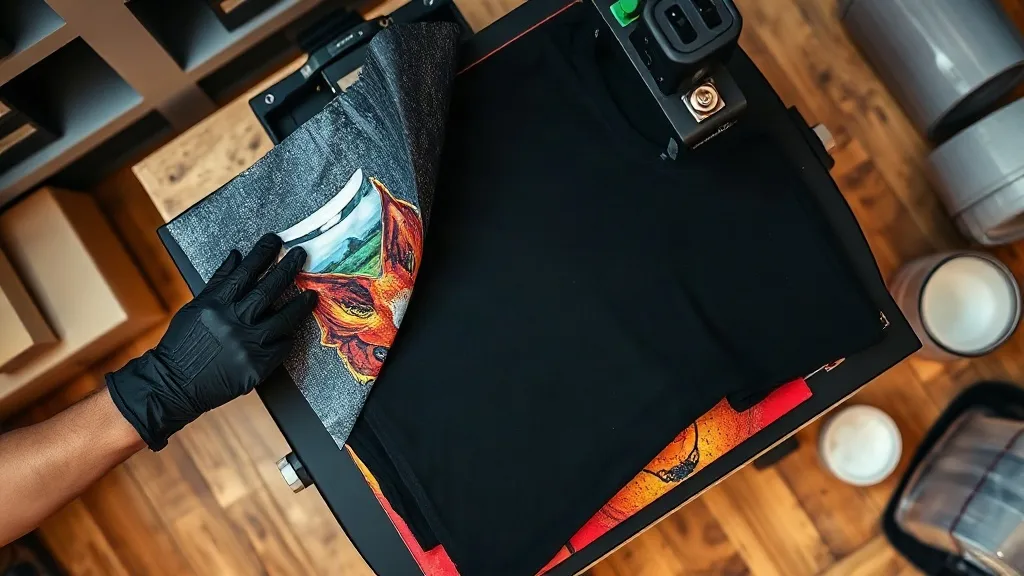
Pre-press the garment for a few seconds to remove moisture. Moisture is the enemy of adhesion, and a slightly damp shirt will produce a print that lifts at the edges. Place the transfer with the printed side down and the film backing up. Press at a temperature in the range your supplier specifies, typically around 150 to 160 degrees Celsius, with medium to firm pressure for ten to fifteen seconds. Peel the film while it is still warm or after it cools, depending on the film type, and then cover the print with a protective sheet or parchment and press again for a few seconds to set the adhesive fully into the fibers.
That second press is the step most people skip, and it is the one that decides whether the print survives twenty washes or four. It re-melts the adhesive and pushes it into the fabric rather than letting it sit on the surface.
Design Considerations That Save Rework
Artwork built for screen printing does not always translate cleanly. Very fine hairlines under half a millimeter can break up during pressing. Large solid areas of dark ink on stretchy fabric will show cracking at stress points unless the design accounts for it. A thin white outline around dark artwork on dark garments helps the print read cleanly and hides minor registration issues.
It also pays to think about placement. Prints that cross a seam or a pocket edge need extra attention during pressing, and curved areas like sleeves benefit from a smaller platen or a pressing pillow. Testing on a scrap garment before committing a full order is never wasted time.
Common Questions About DTF Transfers
How many washes do DTF prints typically survive?
With correct pressing and a proper second press to set the adhesive, most prints hold up through dozens of wash cycles. Washing inside out in cold water and avoiding high dryer heat will noticeably extend the life of the print.
Can DTF transfers go on 100 percent polyester?
Yes, and this is one of the process's strengths. Polyester and poly blends press well, though you should lower the press temperature slightly compared with cotton to avoid scorching or dye migration from the garment into the print.
Do I need a commercial heat press, or can I use an iron?
A home iron can work for occasional projects, but it does not deliver even pressure or consistent temperature across the platen. For anything beyond a one-off, a heat press pays for itself in fewer failed prints.
Is DTF more expensive than heat transfer vinyl?
Per print, DTF often costs more than a small single-color vinyl cut, but it becomes cheaper and faster for multicolor designs because there is no weeding and no layering. For detailed or photographic artwork, the comparison usually favors DTF outright.
How should transfers be stored before use?
Keep them flat or loosely rolled in a cool, dry place away from direct sunlight. Humidity is the main threat, since moisture absorbed by the film or powder can cause adhesion problems when you finally press.