
In the world of custom patches, innovation often takes a backseat to tradition. Embroidered patches have remained largely unchanged for decades, but a new trend is emerging: smart blanks. These innovative base materials are transforming how designers and brands approach patch creation, offering a level of flexibility and creativity that was previously impossible. Whether you're a seasoned patch designer or a business owner looking to create unique merchandise, understanding smart blanks can unlock a new realm of possibilities.
What Are Smart Blanks?
Smart blanks are pre-made patch bases that are designed to be customized after production. Unlike traditional patches that are embroidered or woven from scratch, smart blanks come with a pre-defined structure, often with a plain surface or a subtle pattern, ready to be personalized with various techniques such as printing, heat transfer, or even hand-painting. The term "smart" refers to the adaptability of these blanks; they can be used across different customization methods without compromising quality.
The concept originated from the apparel industry, where blank garments are decorated on demand. Applying this to patches allows for rapid prototyping and small-batch production, which is ideal for artists, event organizers, and businesses that need quick turnarounds.
The Anatomy of a Smart Blank
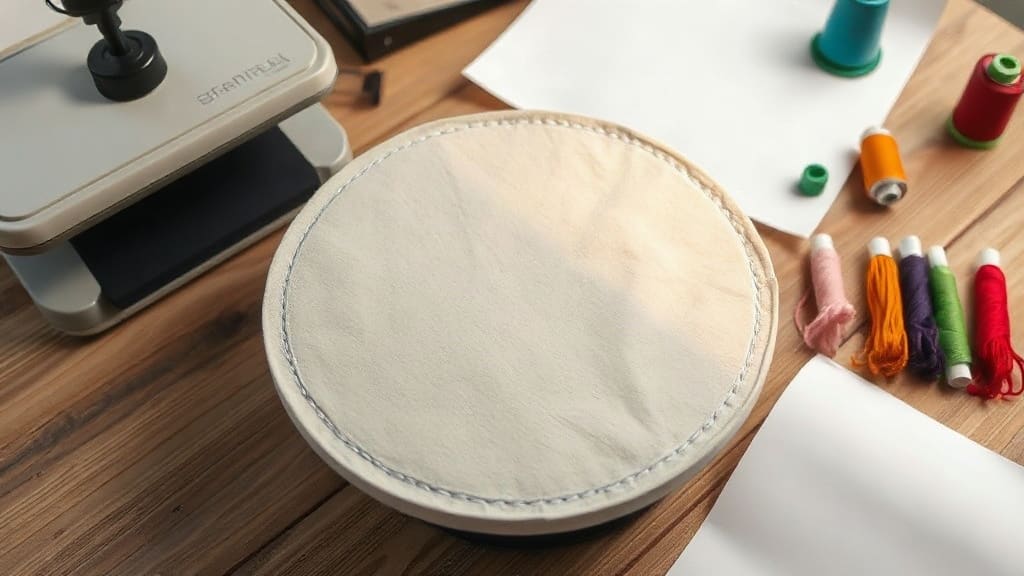
A typical smart blank consists of a durable base fabric, often a polyester-cotton blend or a synthetic material, with a heat-seal backing or an adhesive layer. The surface is engineered to accept various inks and transfers, ensuring vibrant colors and sharp details. Some smart blanks even incorporate special coatings that enhance durability and colorfastness.
Why Smart Blanks Are a Game-Changer
The rise of smart blanks addresses several pain points in the custom patch industry. Traditional patch production requires minimum order quantities, long lead times, and limited design flexibility. Smart blanks eliminate these barriers by allowing on-demand customization.
- No Minimum Orders: You can create a single patch or a hundred without excess cost.
- Fast Turnaround: Since the base is pre-made, customization can be done in-house or by a local printer, reducing shipping times.
- Design Freedom: Full-color printing, gradient effects, and intricate details are possible without the constraints of embroidery.
- Cost-Effective: Lower setup costs make smart blanks accessible for small businesses and individual creators.
These advantages make smart blanks particularly appealing for promotional events, limited-edition merchandise, and personalized gifts.
Applications Across Industries
Smart blanks are not limited to fashion patches. They are used in various sectors:
- Corporate Branding: Companies can quickly produce logo patches for uniforms or promotional items.
- Sports Teams: Custom patches for jerseys, bags, and fan gear can be updated each season.
- Event Merchandise: Festivals and conferences can offer exclusive patches that attendees can customize on-site.
- Art and Craft: Artists can experiment with mixed media, combining printing, embroidery, and embellishments.
How to Choose the Right Smart Blank
Not all smart blanks are created equal. Selecting the appropriate blank depends on your intended customization method and the final use of the patch.
Consider the Base Material
The fabric of the blank affects how well it accepts inks and transfers. For digital printing, a smooth, tight weave is essential. For heat transfer vinyl, a polyester blend works best. If you plan to embroider over the blank, choose a material that can withstand needle perforation without fraying.
Backing Options
Smart blanks come with various backings: heat-seal, adhesive, Velcro, or magnetic. Heat-seal is the most common for apparel, while adhesive is great for temporary applications. Consider where the patch will be applied and how long it needs to stay attached.
Size and Shape
Smart blanks are available in standard shapes (circles, squares, rectangles) and custom die-cut shapes. If you need a unique shape, check if the supplier offers custom cutting services or if you can trim the blank yourself.
DIY Customization with Smart Blanks
One of the most exciting aspects of smart blanks is that they enable DIY customization. With a home printer and a heat press, you can create professional-looking patches in minutes. Here's a simple process:
- Design your artwork using graphic software and print it on transfer paper.
- Place the transfer face-down on the smart blank and apply heat and pressure with a heat press or iron.
- Peel off the backing paper while it's still warm (for hot-peel transfers) or after it cools (for cold-peel).
- Attach the patch to your garment using the pre-applied heat-seal backing.
This method works for both fabric and paper smart blanks, though fabric blanks are more durable for wearable patches.
Tips for Best Results
- Always test your transfer settings on a spare blank to avoid scorching.
- Use high-quality inks and transfer papers to ensure vivid colors and longevity.
- For intricate designs, consider using a professional printer or service bureau.
- Seal the edges of the patch with a fabric sealant if you cut custom shapes.
The Future of Smart Blanks
As technology advances, smart blanks are becoming even smarter. We're seeing blanks with embedded NFC chips for interactive experiences, glow-in-the-dark coatings, and even solar-reactive materials. These innovations open up new possibilities for brand engagement and artistic expression.
Moreover, the sustainability aspect is gaining traction. Some manufacturers are producing smart blanks from recycled plastics and organic cotton, appealing to eco-conscious consumers. The ability to customize on-demand also reduces waste from overproduction, aligning with circular economy principles.
For businesses, adopting smart blanks can be a strategic move to offer personalized products without heavy investment in traditional manufacturing. It democratizes patch creation, allowing anyone with a creative idea to bring it to life.
Frequently Asked Questions
What is the difference between a smart blank and a regular patch?
A regular patch is typically embroidered or woven with a specific design, while a smart blank is a plain base that you customize yourself using printing, heat transfer, or other methods. Smart blanks offer more flexibility for small batches and unique designs.
Can I use smart blanks with an embroidery machine?
Yes, many smart blanks are designed to be embroidered. However, you need to ensure the base fabric is stable enough to support the stitches. Some blanks come with a stabilizer backing for this purpose.
Are smart blanks washable?
It depends on the blank and the customization method. Most heat-transfer designs on fabric blanks are washable, but always check the manufacturer's instructions. For best results, turn the garment inside out and wash in cold water.
Where can I buy smart blanks?
Smart blanks are available from specialty suppliers and online marketplaces. Look for vendors that offer a range of materials and backings. Some craft stores also carry them in limited selections.
Can I print on smart blanks with a regular inkjet printer?
You can use an inkjet printer to print on transfer paper, which is then applied to the blank. Direct printing on the blank requires a specialized printer. For home use, the transfer paper method is most practical.
Smart blanks represent a significant shift in how we think about custom patches. By providing a versatile foundation for creativity, they empower individuals and businesses to produce high-quality, unique patches quickly and affordably. As the technology continues to evolve, we can expect even more exciting developments in this space.