
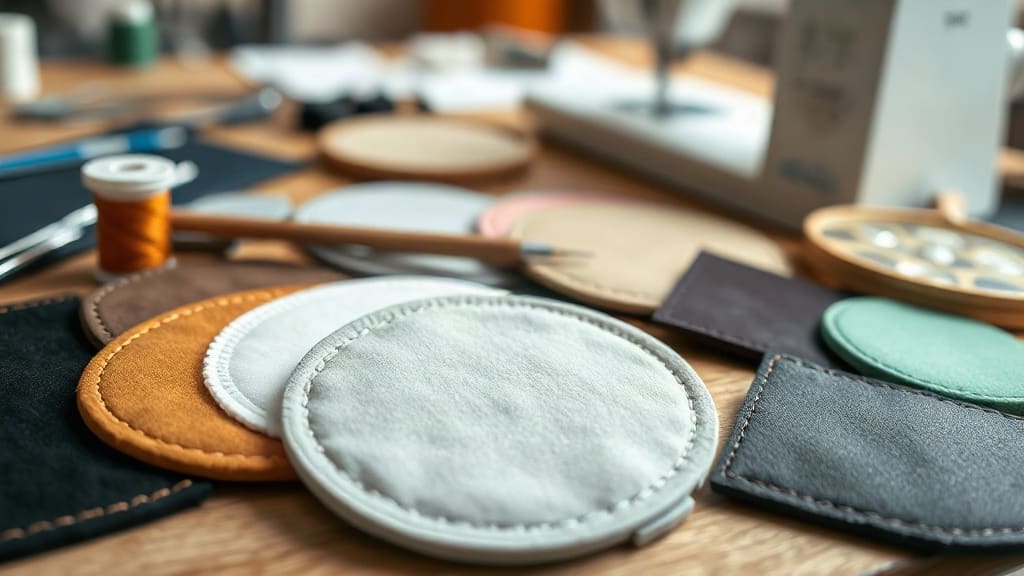
When you think of custom patches, you might picture intricate embroidery or vibrant woven designs. But there's a new player in town: smart blanks. These innovative patch bases are changing how creators and businesses approach patch design, offering a canvas that's both versatile and efficient. Whether you're a fashion designer, a scout troop leader, or a brand manager, understanding smart blanks can unlock new possibilities for your custom patches.
What Are Smart Blanks?
Smart blanks are pre-made patch bases that come in various shapes, sizes, and materials. Unlike traditional patch-making, where every element is created from scratch, smart blanks provide a structured foundation that you can customize. Think of them as the patch equivalent of a coloring book: the outline is there, but you fill in the details. These blanks can be made from twill, felt, or even leather, and they often include a heat-seal backing or adhesive for easy application.
The "smart" aspect comes from their design. They're engineered to work seamlessly with embroidery machines, allowing for precise stitching and alignment. This means less waste, faster production, and more consistent results. For small businesses or DIY enthusiasts, smart blanks level the playing field, making professional-looking patches accessible without a steep learning curve.
Why Smart Blanks Are Gaining Popularity
The rise of smart blanks isn't just a trend; it's a response to real needs in the patch industry. Here's why they're becoming a staple:
- Time efficiency: Pre-cut and pre-backed, smart blanks eliminate the tedious steps of cutting and preparing base materials. You can jump straight to the creative part.
- Cost-effective: By reducing material waste and labor, smart blanks lower production costs. This is especially beneficial for small batches or prototypes.
- Consistency: Each blank is uniform, ensuring that every patch in a batch looks identical. This is crucial for uniforms, corporate branding, and team merchandise.
- Versatility: Smart blanks come in countless shapes and sizes, from classic circles and shields to custom die-cut forms. They accommodate a wide range of design styles.
Moreover, the rise of e-commerce and on-demand manufacturing has fueled demand for smart blanks. Platforms like PatchesElite.com offer a variety of smart blanks that cater to both hobbyists and large-scale producers.
Types of Smart Blanks
Not all smart blanks are created equal. Understanding the different types helps you choose the right one for your project.
Fabric-Based Blanks
These are the most common. They typically consist of a woven or non-woven fabric base, often with a heat-activated adhesive on the back. Twill and felt are popular choices because they hold embroidery well and come in many colors. Fabric blanks are ideal for embroidered patches, as the needle penetrates easily without distorting the base.
Leather and Synthetic Blanks
For a more premium or rugged look, leather and synthetic leather (like faux leather) blanks are gaining traction. They offer a distinct texture and durability, making them suitable for fashion patches, biker patches, or outdoor gear. These blanks often require specialized needles and techniques, but the result is a high-end finish.
Adhesive and Heat-Seal Blanks
Application matters. Smart blanks come with either a pressure-sensitive adhesive (peel-and-stick) or a heat-seal backing (iron-on). Adhesive blanks are great for temporary use or items that can't be ironed, while heat-seal blanks provide a permanent bond on fabrics like cotton and denim.
How to Use Smart Blanks for Custom Patches
Getting started with smart blanks is straightforward, but a few best practices ensure success.
- Choose the right blank: Consider the intended use, fabric compatibility, and design complexity. For example, a detailed logo might need a tight-weave twill blank, while a simple text patch could work on felt.
- Prepare your design: Digitize your artwork with embroidery software. Since smart blanks have a defined area, ensure your design fits within the boundaries. Leave a margin for the border if desired.
- Stabilize properly: Even with a sturdy blank, you'll need a stabilizer (cut-away or tear-away) to prevent puckering. Adhere the stabilizer to the back of the blank before hooping.
- Embroider with precision: Use the right needle and thread for your blank material. Test on a spare blank to adjust tension and density. Smart blanks are forgiving, but proper settings yield the best results.
- Finish and apply: After embroidering, trim any excess stabilizer. If using a heat-seal blank, apply with a heat press or iron following the manufacturer's instructions.
For those who prefer a hands-off approach, many suppliers offer custom patch services where you simply upload your design, and they handle the rest using smart blanks. This is perfect for businesses that want to outsource production without sacrificing quality.
Applications of Smart Blanks Across Industries
Smart blanks aren't just for hobbyists. They're making waves in various sectors:
- Fashion and apparel: Designers use smart blanks to create limited-edition patches for jackets, jeans, and bags. The ability to prototype quickly allows for trend-responsive collections.
- Corporate branding: Companies commission custom patches for employee uniforms, promotional giveaways, and event swag. Smart blanks ensure brand consistency across large orders.
- Scouts and youth groups: Merit badges, rank patches, and event insignias are often made with smart blanks due to their durability and ease of customization.
- Military and tactical: Units require precise, durable patches. Smart blanks meet strict specifications and can incorporate Velcro backing for easy attachment.
- Sports teams: From Little League to professional leagues, smart blanks help create team patches that withstand wear and tear.
At PatchesElite.com, we've seen a surge in demand for smart blanks from all these sectors. Our platform offers a seamless way to order custom patches made from high-quality smart blanks, catering to both small and large quantities.
Benefits of Using Smart Blanks for Your Business
If you're a business owner or manager, smart blanks offer tangible advantages:
- Faster turnaround: With pre-made bases, production time is significantly reduced. You can fulfill orders quicker, which is essential for time-sensitive events.
- Scalability: Whether you need 10 patches or 10,000, smart blanks maintain consistency and quality. Scaling up doesn't mean sacrificing detail.
- Brand control: You can standardize shapes and sizes across your merchandise, reinforcing brand identity.
- Cost savings: Lower material waste and labor costs translate to better margins. You can offer competitive pricing without compromising quality.
Moreover, smart blanks align with sustainable practices. By optimizing material usage, they reduce waste, which resonates with eco-conscious consumers.
Common Mistakes to Avoid with Smart Blanks
Even though smart blanks are user-friendly, some pitfalls can trip you up:
- Ignoring fabric compatibility: Not all blanks work with all fabrics. For instance, a heavy leather blank might not adhere well to delicate silk. Always test first.
- Overlooking stabilizer: Skipping stabilizer can lead to puckering and misalignment. It's a small step that makes a big difference.
- Using the wrong needle: For leather blanks, a leather needle is essential; for fabric, a sharp or universal needle works. Using the wrong one can damage the blank or machine.
- Poor hooping technique: Ensure the blank is hooped tightly and evenly. Loose hooping causes design distortion.
- Inadequate heat application: If using heat-seal blanks, follow the recommended temperature and time. Too little heat means the patch won't stick; too much can burn the fabric.
By avoiding these mistakes, you'll achieve professional results every time.
Future Trends in Smart Blanks
The smart blank industry is evolving. We're seeing innovations like:
- Eco-friendly materials: Blanks made from recycled plastics or organic fabrics are gaining popularity.
- Smart technology integration: Imagine patches with embedded NFC chips or LED lights. Smart blanks could serve as the base for these high-tech applications.
- Custom shapes on demand: Advances in die-cutting technology allow for intricate, custom-shaped blanks without expensive tooling.
- Hybrid blanks: Combining materials like fabric and leather for unique textures and durability.
As these trends develop, smart blanks will become even more versatile, opening doors for creative expression and functional applications.
Frequently Asked Questions About Smart Blanks
What are smart blanks made of?
Smart blanks are typically made from twill, felt, leather, or synthetic materials. They often have a heat-seal or adhesive backing. The choice of material depends on the intended use and desired look.
Can I use smart blanks with any embroidery machine?
Most home and commercial embroidery machines can handle smart blanks. However, for thick materials like leather, you may need a machine with enough power and the appropriate needle. Always test on a sample first.
How do I apply a smart blank patch to a garment?
If the blank has a heat-seal backing, preheat your iron or heat press to the recommended temperature (usually around 300°F). Place the patch on the garment, cover with a cloth, and press for 20-30 seconds. For adhesive blanks, simply peel and stick, but note that adhesion may not be permanent.
Are smart blanks more expensive than traditional patch-making?
Initially, smart blanks might seem pricier per unit, but when you factor in time savings, reduced waste, and consistent quality, they often prove more cost-effective, especially for small to medium batches.
Where can I buy high-quality smart blanks?
You can find smart blanks at craft stores, online retailers, and specialized suppliers like PatchesElite.com. We offer a wide range of blanks and custom patch services to meet your needs.
Smart blanks are revolutionizing the way we create custom patches. By providing a reliable, efficient foundation, they empower creators to focus on design and innovation. Whether you're a DIY enthusiast or a business looking to streamline production, incorporating smart blanks into your workflow can yield impressive results. Explore the possibilities today and see how smart blanks can elevate your patch projects.