
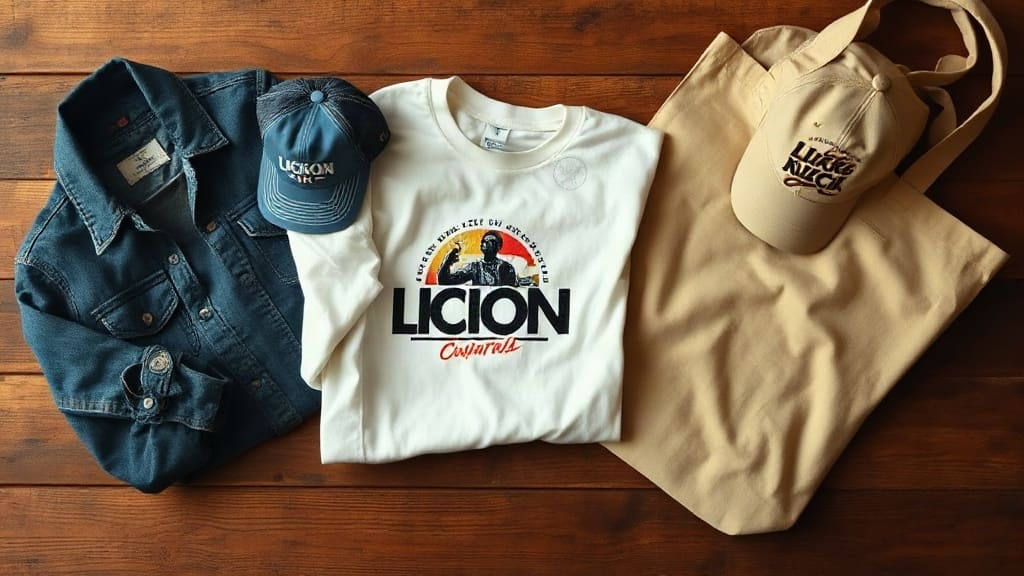
When you're building a brand, every detail matters. From the logo on your website to the packaging your product arrives in, consistency and quality shape how customers perceive you. Two popular methods for adding branded elements to apparel and merchandise are print on demand and custom patches. Each has its own strengths, and understanding when to use one over the other can save you money and elevate your brand image. In this guide, we'll break down the differences, costs, and best use cases so you can make an informed decision.
What Is Print on Demand?
Print on demand (POD) is a production model where items are printed only after an order is placed. Typically, a design is printed directly onto a product such as a t-shirt, mug, or tote bag using techniques like direct-to-garment (DTG) or sublimation. The biggest advantage is zero inventory risk: you don't pay for products until a customer buys them. This makes POD ideal for testing new designs or running a lean e-commerce store.
However, POD has limitations. The print quality can vary, and the durability of the print may not match other methods. Colors can fade after repeated washing, and intricate designs with fine details may not reproduce perfectly. Also, you're limited to flat surfaces, so items like hats or jackets with curved seams might not work well.
What Are Custom Patches?
Custom patches are embroidered or woven emblems that can be sewn or ironed onto garments and accessories. They offer a premium, tactile feel that printed designs often lack. Patches are made by stitching colored threads onto a backing fabric, creating a raised, textured look. They're commonly used for uniforms, jackets, caps, and bags.
Unlike POD, custom patches require a minimum order quantity (MOQ) and a lead time for production. But once you have them, they can be attached to a wide range of items, offering flexibility. Patches are also incredibly durable; they withstand repeated washing and wear without fading or cracking. For brands that want a high-end, lasting impression, patches are a strong choice.
Types of Custom Patches
- Embroidered patches: The most common, with a classic stitched look.
- Woven patches: Better for fine details and complex logos.
- PVC patches: Durable, waterproof, and great for outdoor gear.
- Leather patches: A sophisticated option for premium brands.
Cost Comparison: Print on Demand vs Custom Patches
Cost is often the deciding factor. With print on demand, you pay per item, usually a base cost plus shipping. For a t-shirt, that might be $10-$15 per unit, with no upfront fees. However, the per-unit cost can be higher than bulk orders. With custom patches, you pay a one-time setup fee (for digitizing) and then a per-patch cost that decreases with volume. For example, 100 embroidered patches might cost $1-$2 each, plus a $50 setup fee. The more you order, the cheaper they get.
If you're just starting out and want to test designs, POD is more affordable. But if you plan to scale and want a consistent brand element, patches can be more cost-effective in the long run. Plus, patches can be applied to items you already own, turning any garment into branded merchandise.
Durability and Quality
When it comes to longevity, custom patches win. Embroidered patches are stitched, so they don't crack or peel like some prints. They can last for years, even on frequently washed items. POD prints, especially DTG, can fade over time, particularly if washed inside out or dried on high heat. For items that get heavy use, like workwear or sports gear, patches are the better investment.
That said, POD technology has improved. Some providers now offer durable prints that resist fading. But for a truly premium feel, patches are unmatched. They add a three-dimensional element that prints can't replicate.
Best Use Cases for Each
When to Choose Print on Demand
- You want to test multiple designs without inventory.
- You sell a wide variety of products (mugs, phone cases, etc.).
- You need fast turnaround for trendy items.
- Your designs are full-color and complex.
When to Choose Custom Patches
- You want a premium, lasting brand element.
- You're branding uniforms, hats, or jackets.
- You need a tactile, high-quality look.
- You want to add branding to items you already sell.
How to Combine Both for Maximum Impact
Smart brands often use both. For example, you could use print on demand for a limited-edition t-shirt drop, then offer a custom patch as an add-on that customers can sew onto their favorite jacket. This creates a cohesive brand experience and gives customers options. You can also use patches on your own apparel line while using POD for promotional items like stickers or mugs.
Another idea: include a custom patch with every order as a free gift. It's a low-cost way to add value and encourage social sharing. Customers love exclusive items, and patches are collectible.
Environmental Considerations
Both methods have environmental impacts. POD reduces waste by producing only what's ordered, but shipping individual items can increase carbon footprint. Custom patches require bulk production, which can lead to overstock if not managed well. However, patches themselves are durable and long-lasting, so they don't need to be replaced often. Choosing eco-friendly materials, like organic cotton or recycled polyester, can mitigate impact. Some patch manufacturers offer biodegradable backings or recycled threads.
Case Study: How a Small Brand Used Both
Take the example of a small outdoor apparel brand. They started with print on demand t-shirts featuring their logo. As they grew, they introduced custom patches on their jackets and hats. The patches became a signature, and customers began requesting them separately. The brand now offers a patch-of-the-month club, driving recurring revenue. By combining both, they catered to different customer preferences and built a loyal following.
Frequently Asked Questions
Can I put custom patches on any fabric?
Most fabrics work, but delicate materials like silk or lace may not hold up well. For best results, use patches on sturdy fabrics like denim, canvas, or cotton. Iron-on patches require a fabric that can withstand heat, while sew-on patches are more versatile.
How long do print on demand products last?
With proper care, POD prints can last 1-2 years of regular wear. Washing inside out in cold water and air drying will extend the life. However, they may fade faster than embroidered patches.
What's the minimum order for custom patches?
Minimums vary by manufacturer, but many start at 50-100 pieces. Some suppliers offer no minimum for digital patches, but traditional embroidered patches usually have a minimum.
Can I design patches online?
Yes, many patch companies have online design tools where you can upload your logo, choose colors, and see a preview. It's a straightforward process, and you can often get a digital proof before production.
Are patches more expensive than printing?
Per unit, patches can be cheaper at scale, but there's an upfront setup fee. For small quantities, printing is more affordable. Consider your volume and long-term goals.
Ultimately, the choice between print on demand and custom patches depends on your brand's needs. If you value flexibility and low risk, POD is a great start. If you want durability and a premium feel, patches are worth the investment. And remember, you don't have to choose one; combining both can create a powerful branding strategy. Evaluate your goals, budget, and target audience to decide what works best for you.