When you want to create custom apparel that stands out, the printing method you choose makes all the difference. Among the many options, DTF transfers have quickly become a favorite for both hobbyists and professionals. But what exactly are they, and why are they taking the custom apparel world by storm? In this guide, we'll dive deep into the world of DTF transfers, covering everything from the process to the benefits and expert tips to help you achieve perfect results every time.
What Are DTF Transfers?
DTF stands for Direct-to-Film. It's a printing technology where your design is printed onto a special film, coated with a adhesive powder, and then heat-pressed onto fabric. Unlike DTG (Direct-to-Garment) or screen printing, DTF transfers offer incredible versatility because they work on a wide range of materials, including cotton, polyester, blends, and even nylon. The process is relatively simple: print, powder, cure, and press. But the magic lies in the details.
The DTF Printing Process Step by Step
To truly appreciate DTF transfers, it helps to understand how they're made. Here's a breakdown of the process:
- Design Preparation: Your artwork is prepared digitally, ensuring it's mirrored and sized correctly. The design is then printed onto a PET film using specialized DTF inks (usually CMYK plus white).
- Powder Application: While the ink is still wet, a thermoplastic powder (often called hot melt adhesive) is sprinkled over the print. The excess powder is shaken off, leaving a thin layer adhering to the ink.
- Curing: The film is then heated to melt the powder, creating a flexible, durable layer that will bond to the fabric.
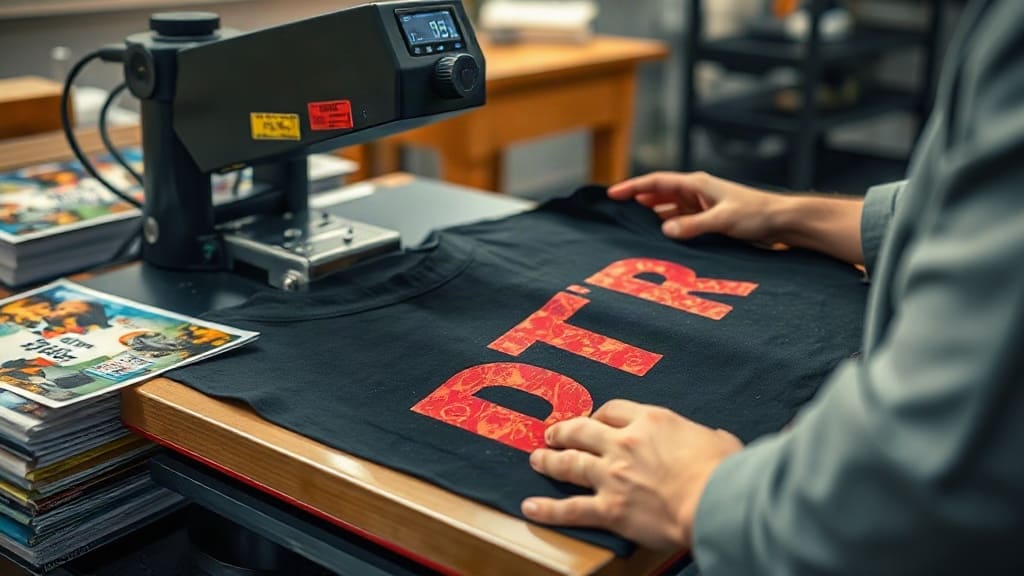
- Heat Pressing: Finally, the transfer is placed on the garment and pressed with a heat press. The adhesive melts, fusing the design to the fabric. After cooling, the film is peeled away, leaving a vibrant, soft print.
Why Choose DTF Transfers Over Other Methods?
With so many printing options available, you might wonder what sets DTF apart. Here are some compelling reasons:
- Unmatched Versatility: DTF transfers adhere to almost any fabric, including those that are difficult for other methods. This means you can print on dark colors, synthetic materials, and even treated leather.
- No Weeding or Cutting: Unlike vinyl, DTF transfers don't require weeding or cutting. You simply print, powder, and press. This saves time and reduces waste.
- Vibrant Colors and Fine Details: DTF printers can produce high-resolution images with gradients, fine lines, and photographic details that look stunning on fabric.
- Durability: When applied correctly, DTF prints are highly durable. They resist cracking, peeling, and fading even after multiple washes.
- Cost-Effective for Small Runs: Unlike screen printing, which requires separate screens for each color, DTF is economical for short runs and one-off designs.
DTF vs. DTG vs. Screen Printing
How does DTF stack up against the competition? Let's compare:
- DTG: Best for 100% cotton, DTG prints directly onto the garment. It's great for detailed designs but can be less vibrant on dark colors and requires pre-treatment. DTF, on the other hand, works on more fabrics and often produces more vivid colors.
- Screen Printing: Ideal for large orders with few colors, screen printing is cost-effective at scale but has high setup costs. DTF is more flexible for small batches and complex designs.
- Vinyl: Heat transfer vinyl is great for simple designs but limited in color and detail. DTF allows for full-color, photographic prints without the tedious weeding process.
Applications of DTF Transfers
DTF transfers are used in a variety of industries and personal projects. Here are some popular applications:
- Custom T-shirts: Create personalized tees for events, teams, or brands with vibrant, long-lasting prints.
- Sportswear: DTF works well on performance fabrics like polyester, making it perfect for jerseys and athletic wear.
- Denim and Jackets: Add intricate designs to denim without the stiffness of traditional methods.
- Bags and Accessories: Personalize tote bags, backpacks, and hats with detailed logos or artwork.
- Home Decor: Print on pillowcases, blankets, and more to add a custom touch to your living space.
Expert Tips for Flawless DTF Transfers
To get the best results with DTF transfers, follow these expert tips:
1. Choose the Right Film and Powder
Not all DTF films and powders are created equal. Invest in high-quality supplies from reputable brands to ensure consistent results. The film should be compatible with your printer, and the powder should have a low melting point for efficient curing.
2. Master Your Heat Press Settings
Temperature, pressure, and time are critical. Typically, you'll press at 325°F (160°C) for 15-20 seconds with medium pressure. However, always check the specifications of your transfer and fabric. Too much heat can scorch the fabric or cause the adhesive to over-melt, leading to a messy peel.
3. Pre-Press Your Garment
Before applying the transfer, pre-press the garment for a few seconds to remove moisture and wrinkles. This ensures a smooth surface for the transfer to adhere to.
4. Use a Teflon Sheet or Parchment Paper
When pressing, place a Teflon sheet or parchment paper over the transfer to protect it from direct heat and prevent sticking.
5. Peel with Care
DTF transfers can be peeled either hot or cold, depending on the film. Most modern films are cold peel, meaning you wait for the transfer to cool completely before peeling. This prevents the design from stretching or tearing.
6. Wash Inside Out
To extend the life of your DTF-printed apparel, wash it inside out in cold water and tumble dry on low. Avoid ironing directly over the print.
Common Challenges and How to Overcome Them
Even with the best practices, you might encounter some issues. Here's how to troubleshoot:
- Adhesive Residue: If you see excess powder around the design, reduce the amount of powder applied or cure more thoroughly. A lint roller can help remove stray powder before pressing.
- Peeling or Cracking: This usually happens due to insufficient pressure or incorrect temperature. Ensure your heat press is calibrated and apply consistent pressure.
- Faded Colors: Use high-quality inks and ensure proper curing. Also, avoid over-stretching the fabric when pressing.
- Film Sticking: If the film sticks to the garment, it might be due to too much pressure or overheating. Adjust settings and use a protective sheet.
Frequently Asked Questions About DTF Transfers
How long do DTF transfers last?
With proper application and care, DTF transfers can last as long as the garment itself. They are durable and resistant to cracking and fading, often lasting 50+ washes.
Can I use DTF transfers on dark colors?
Absolutely! DTF transfers include a white ink layer that allows vibrant colors to pop on dark fabrics. This is one of the key advantages over DTG printing.
Do I need a special printer for DTF?
Yes, you need a DTF printer that uses DTF inks and can handle PET film. However, you can also buy pre-printed DTF transfers from suppliers if you don't want to invest in a printer.
What fabrics work best with DTF?
DTF works on a wide range of fabrics, including cotton, polyester, blends, nylon, and even leather. It's particularly good for polyesters and blends that are tricky for other methods.
Is DTF transfer cost-effective?
For small to medium runs, DTF is very cost-effective because there are no setup fees or minimums. For large runs, screen printing might be cheaper, but DTF offers more flexibility.
Final Thoughts
DTF transfers are a game-changer in the world of custom apparel. They offer unparalleled versatility, vibrant colors, and durability, making them suitable for a wide range of projects. Whether you're a small business owner, a hobbyist, or a professional printer, mastering DTF transfers can open up new creative possibilities. Remember to use quality supplies, dial in your heat press settings, and follow the tips we've shared to achieve professional results every time. So why not give DTF transfers a try? Your custom apparel will thank you.