If you've been in the custom apparel game for any length of time, you've likely heard the buzz around DTF transfers. This innovative printing method has quickly become a favorite among small business owners, crafters, and DIY enthusiasts for its ability to produce vibrant, detailed designs on a wide range of fabrics. But what exactly are DTF transfers, and why are they taking the garment decoration world by storm? In this guide, we'll walk you through everything you need to know, from the science behind the process to practical tips for flawless application.
What Are DTF Transfers?
DTF stands for Direct-to-Film. Unlike traditional methods like screen printing or vinyl cutting, DTF transfers involve printing your design onto a special film using a specialized printer and then transferring it onto the fabric with a heat press. The process uses a unique adhesive powder that melts and bonds the ink to the fabric, creating a durable, stretchable, and vibrant print. The best part? DTF transfers work on almost any fabric, including cotton, polyester, blends, and even nylon, without the need for pre-treatment.
How DTF Transfers Work: Step by Step
Understanding the DTF process can help you appreciate why it delivers such impressive results. Here's a breakdown of the key steps:
- Design Preparation: Your artwork is prepared digitally, ensuring it's mirrored and sized correctly. The design is then printed onto a special PET film using a DTF printer with white ink as a base.
- Powder Application: While the ink is still wet, a thermoplastic adhesive powder is applied evenly over the printed design. Excess powder is shaken off.
- Curing: The film is then heated to melt the powder, which creates a bond that will adhere to the fabric during the final transfer.
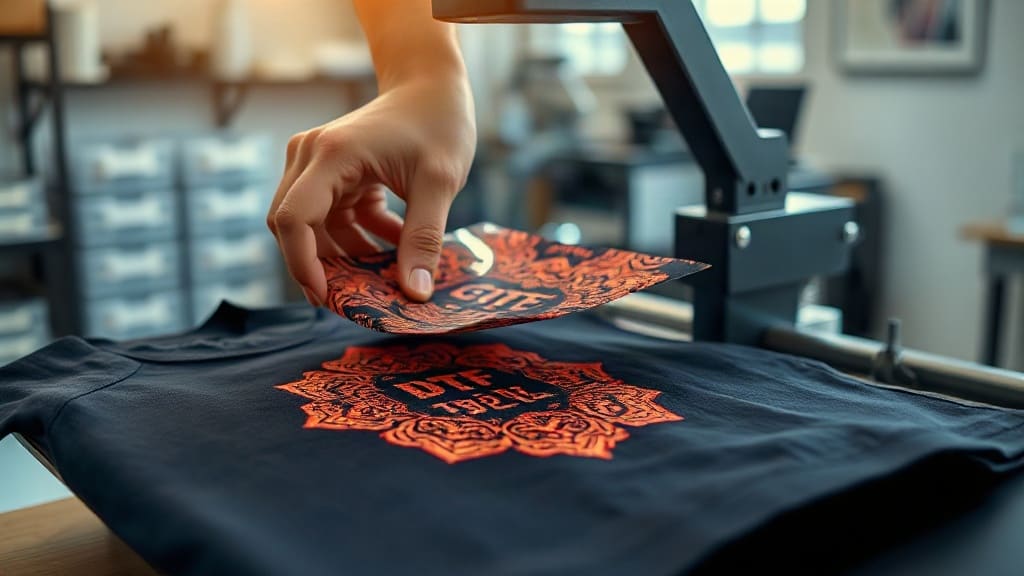
- Transfer: The cured film is placed onto the garment and pressed with a heat press at a specific temperature and pressure. After cooling, the film is peeled away, leaving the design behind.
This multi-step process might sound complex, but once you have the right equipment, it becomes second nature. The result is a soft, flexible print that can handle stretching and washing without cracking or fading.
Why Choose DTF Transfers?
There are several compelling reasons why DTF transfers have become a go-to solution for many in the industry. Let's explore the main advantages:
1. Unmatched Versatility
One of the biggest draws of DTF transfers is their compatibility with a wide range of materials. Whether you're working with 100% cotton t-shirts, polyester athletic wear, or even canvas bags, DTF can handle it. This versatility eliminates the need for multiple printing methods, streamlining your production process.
2. Vibrant, High-Detail Prints
DTF printers use CMYK and white inks to produce full-color designs with incredible detail. Gradients, fine lines, and photographic images come out sharp and true to the original. The white ink base ensures that colors pop even on dark fabrics, something that can be tricky with other methods.
3. Durability and Stretchability
Because the adhesive powder forms a strong bond with the fabric fibers, DTF prints are highly durable. They resist cracking, peeling, and fading, even after repeated washing. Additionally, the print stretches with the fabric, making it ideal for performance wear and stretchy materials.
4. Cost-Effective for Small Batches
Unlike screen printing, which requires separate screens for each color and can be expensive for short runs, DTF transfers are cost-effective for small to medium quantities. You can print one-off designs or small batches without breaking the bank.
DTF vs. Other Printing Methods
How does DTF stack up against other popular decoration techniques? Here's a quick comparison:
- DTF vs. Screen Printing: Screen printing is great for large orders of simple designs, but DTF wins for complex, multi-color designs and small batches. DTF also requires less setup time.
- DTF vs. DTG (Direct-to-Garment): DTG works best on 100% cotton and often requires pre-treatment. DTF works on more fabrics and typically produces more durable prints.
- DTF vs. Vinyl: Vinyl is limited to simple shapes and solid colors, while DTF can handle intricate details and gradients. DTF also feels softer on the garment.
- DTF vs. Sublimation: Sublimation only works on light-colored polyester, whereas DTF can be used on dark fabrics and cotton.
As you can see, DTF transfers offer a unique combination of versatility, quality, and cost-effectiveness that few other methods can match.
Tips for Perfect DTF Transfers
To get the best results with DTF transfers, keep these practical tips in mind:
- Choose the Right Film: Not all DTF films are created equal. Look for films designed for your specific printer and ink type. Quality film ensures smooth release and vibrant colors.
- Control Moisture: Fabric moisture can ruin a transfer. Pre-press the garment for a few seconds to remove any moisture before applying the transfer.
- Adjust Pressure and Temperature: Follow the recommended settings for your heat press and film. Too little pressure can cause poor adhesion, while too much can cause the design to spread.
- Peel at the Right Temperature: Some films are hot peel, others cold peel. Always check the instructions. Peeling at the wrong temperature can lead to a matte finish or damaged design.
- Store Transfers Properly: Keep unused transfers in a cool, dry place away from direct sunlight to prevent the adhesive from activating prematurely.
By following these tips, you'll achieve professional-looking results every time.
Applications of DTF Transfers
DTF transfers are incredibly versatile and can be used for a myriad of applications. Here are just a few ideas:
- Custom T-Shirts: Create personalized tees for events, teams, or businesses with full-color designs.
- Sportswear: Add logos and numbers to jerseys and athletic wear that need to stretch and breathe.
- Bags and Accessories: Decorate tote bags, backpacks, and hats with intricate patterns.
- Home Decor: Personalize pillows, blankets, and even canvas prints.
- Promotional Items: Produce branded merchandise for giveaways and corporate gifts.
The possibilities are nearly endless, limited only by your imagination.
Frequently Asked Questions About DTF Transfers
How long do DTF transfers last?
With proper application and care, DTF transfers can last as long as the garment itself. They withstand dozens of washes without significant fading or cracking. To maximize longevity, wash garments inside out in cold water and avoid harsh detergents.
Can I use DTF transfers on dark colors?
Absolutely! DTF transfers include a white ink base that makes colors pop on dark fabrics. This is one of the key advantages over DTG printing, which often struggles with dark colors.
Do I need a special printer for DTF transfers?
Yes, you need a DTF printer that uses DTF inks and can print white ink. However, if you don't want to invest in a printer, you can order custom DTF transfers from a professional service and apply them with a heat press.
What fabrics work best with DTF transfers?
DTF transfers work on almost any fabric, including cotton, polyester, blends, nylon, and even leather. The only exceptions are fabrics with a very rough texture or those that cannot withstand heat.
How do I remove a DTF transfer if I make a mistake?
If you need to remove a DTF transfer, you can use a heat press or iron to reheat the design and peel it off while hot. Be careful not to scorch the fabric. Sometimes a solvent like acetone can help, but test on a small area first.
Final Thoughts
DTF transfers have emerged as a game-changer in the custom apparel industry, offering unparalleled versatility, vibrant prints, and durability. Whether you're a small business owner looking to expand your product offerings or a DIY enthusiast wanting to create professional-grade custom items, DTF transfers are worth exploring. With the right knowledge and tools, you can achieve stunning results that keep customers coming back. So why not give DTF transfers a try? Your creativity is the only limit.