
When it comes to custom apparel, DTF transfers have become a game-changer for businesses and hobbyists alike. Unlike traditional methods that require specific fabrics or complex setups, DTF transfers offer unmatched versatility, vibrant colors, and impressive durability. In this guide, we'll dive deep into what DTF transfers are, how they work, and why they might be the perfect solution for your next project.
What Are DTF Transfers?
DTF stands for Direct to Film. It's a printing technology where your design is printed onto a special film, coated with a powder adhesive, and then heat-pressed onto the fabric. This process allows for full-color, high-detail prints on a wide range of materials, including cotton, polyester, blends, and even leather. The result is a soft, stretchable print that can withstand repeated washing without cracking or fading.
The DTF Printing Process
The DTF process involves several key steps:
- Design Preparation: Your artwork is prepared digitally, ensuring it's mirrored and sized correctly.
- Printing: A specialized DTF printer prints the design onto a PET film using water-based inks. White ink is typically used as a base to make colors pop on dark fabrics.
- Powder Application: While the ink is still wet, a hot-melt adhesive powder is applied evenly over the print.
- Curing: The film is heated to melt the powder, creating a adhesive layer that will bond with the fabric.
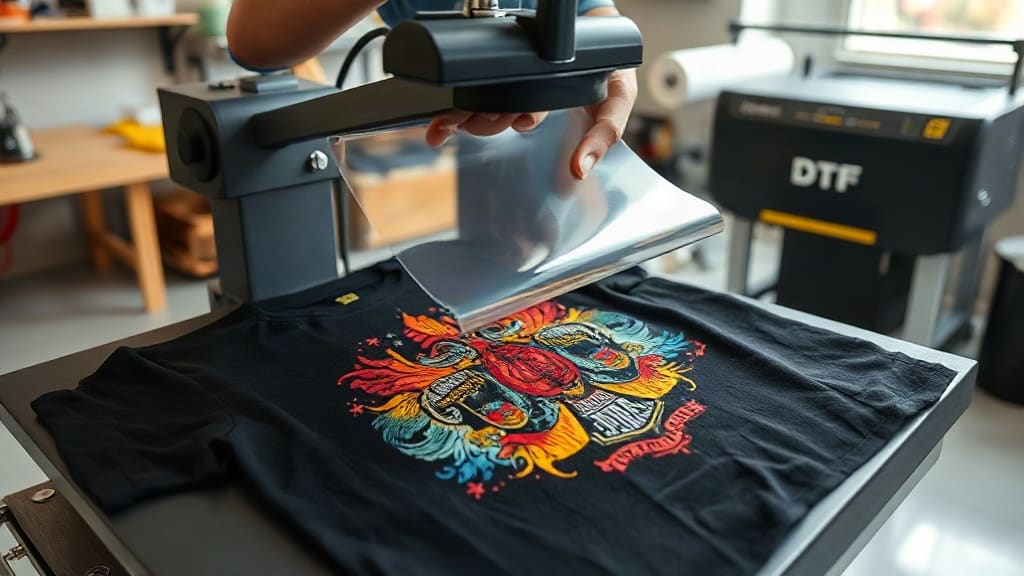
- Transfer: The film is placed on the garment and heat-pressed. After cooling, the film is peeled away, leaving the design behind.
This method eliminates the need for cutting or weeding, making it faster and more cost-effective for complex designs.
Why Choose DTF Transfers?
There are several reasons why DTF transfers have gained immense popularity:
- Fabric Versatility: Works on almost any fabric, including those that are difficult for other methods.
- No Color Limitations: Can print gradients, photorealistic images, and fine details without extra cost.
- Durability: Prints are stretchable and resistant to cracking, peeling, and fading.
- Cost-Effective for Short Runs: Ideal for small batches or one-off items since no screens or plates are needed.
- Soft Feel: The prints have a soft hand feel, especially compared to vinyl or screen printing.
DTF vs. Other Printing Methods
How does DTF compare to DTG (Direct to Garment) or screen printing? DTG requires pre-treatment and works best on 100% cotton, while screen printing is cost-effective for large orders but limited in colors. DTF shines in its ability to handle any fabric and any design complexity without compromising quality. It's particularly useful for polyester and blends where DTG might not adhere well.
Applications of DTF Transfers
DTF transfers are used in a variety of industries:
- Custom T-shirts: Perfect for personalized gifts, team uniforms, and promotional apparel.
- Sportswear: Ideal for jerseys and activewear because the prints stretch with the fabric.
- Denim and Jackets: Adds vibrant designs to denim without the stiffness of traditional methods.
- Bags and Accessories: Can be applied to tote bags, backpacks, and more.
How to Get Started with DTF Transfers
If you're ready to try DTF transfers, here's what you need:
- DTF Printer: A dedicated DTF printer with white ink capability.
- DTF Film: Special PET film designed for DTF printing.
- Adhesive Powder: Hot-melt powder that bonds the ink to the fabric.
- Heat Press: A reliable heat press for transferring the design.
- Design Software: To prepare your artwork.
You can also purchase pre-printed DTF transfers from suppliers if you don't want to invest in the equipment.
Tips for Successful DTF Transfers
To ensure the best results, keep these tips in mind:
- Preheat the Fabric: Remove moisture and wrinkles before pressing.
- Use the Right Settings: Follow the manufacturer's recommendations for temperature, pressure, and time.
- Peel Carefully: Wait for the transfer to cool before peeling for a matte finish, or peel hot for a glossy look.
- Wash Inside Out: To prolong the life of the print, wash garments inside out in cold water and avoid bleach.
Common Questions About DTF Transfers
How long do DTF transfers last?
With proper care, DTF transfers can last as long as the garment itself. They are highly durable and resistant to washing, cracking, and fading.
Can I use DTF transfers on dark colors?
Absolutely. DTF printing uses a white ink base, which allows vibrant colors to show up beautifully on dark fabrics.
Do I need a special printer for DTF?
Yes, you need a DTF printer that supports white ink and can handle the film. However, you can also buy pre-made transfers from suppliers.
Is DTF printing cost-effective for small orders?
Yes, DTF is very cost-effective for small to medium orders because there are no setup fees or minimums.
What fabrics work best with DTF?
DTF works well on cotton, polyester, blends, and even leather. It's one of the most versatile printing methods available.