
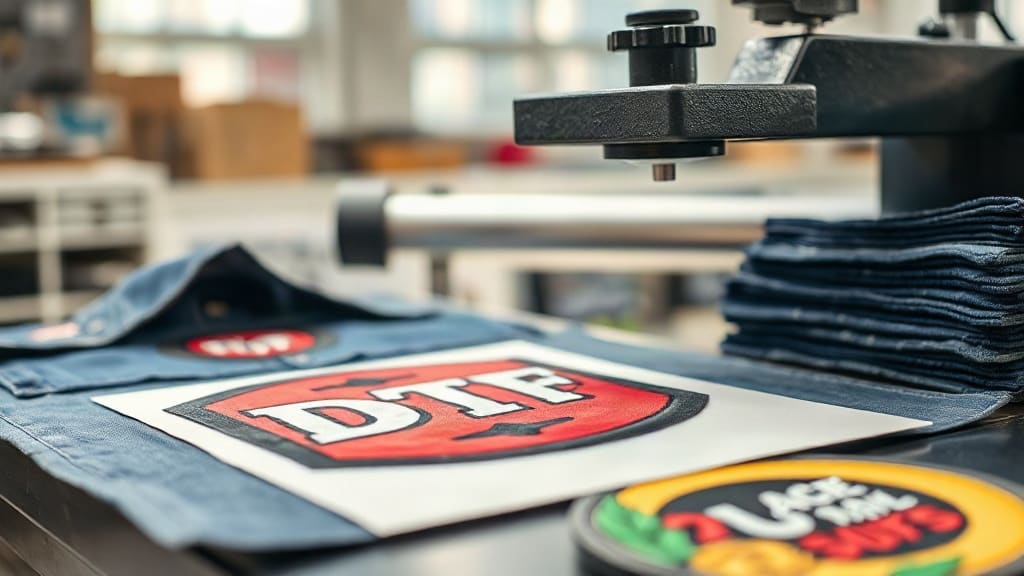
When you think of custom patches, you might picture traditional embroidery or woven designs. But there's a game-changer in the world of patch customization: DTF transfers. This innovative printing method is taking the patch industry by storm, offering unmatched color vibrancy and detail that traditional methods struggle to match. Whether you're a small business owner looking to create branded merchandise or a DIY enthusiast wanting to add a personal touch to your jacket, understanding DTF transfers can open up a world of creative possibilities.
What Are DTF Transfers?
DTF stands for Direct to Film. It's a printing technique where your design is printed onto a special film, coated with a heat-activated adhesive powder, and then transferred onto fabric using a heat press. Unlike DTG (Direct to Garment) or screen printing, DTF transfers can be applied to a wide range of materials, including cotton, polyester, nylon, and even leather. For patches, this means you can achieve photographic-quality images with fine gradients, tiny text, and complex patterns that would be nearly impossible with embroidery.
How DTF Transfers Differ from Other Patch Methods
Traditional embroidered patches are durable and have a classic look, but they're limited in color blending and fine detail. Woven patches offer more detail but can be costly for small runs. DTF transfers, on the other hand, provide full-color, high-resolution prints with a soft feel. They're also more affordable for short runs and allow for quick turnaround. Plus, because the design is printed on a film, you can easily apply it to pre-made patch bases or directly onto garments as a patch-like applique.
Why Choose DTF Transfers for Custom Patches?
There are several compelling reasons to consider DTF transfers for your next patch project:
- Vibrant Colors: DTF transfers can reproduce millions of colors, including neon and pastel shades, without the color limitations of thread or woven yarn.
- Intricate Details: From tiny text to photographic images, DTF transfers capture every detail with precision.
- Material Versatility: They adhere well to a variety of fabrics and even leather, making them ideal for patches that will be sewn onto different items.
- Durability: When applied correctly, DTF transfers are washable and resistant to cracking and peeling.
- Cost-Effective for Small Batches: No setup fees or minimum orders, making them perfect for one-off designs or small businesses.
Designing Your DTF Patch
Creating a design for a DTF transfer patch is similar to designing for any other print method, but there are a few key considerations to ensure the best result.
File Preparation
Start with a high-resolution image (300 DPI or higher) in PNG or PDF format with a transparent background. If you're using vector software like Adobe Illustrator, make sure all text is outlined. For raster images, avoid upscaling low-resolution files, as this will result in a blurry print. Remember that DTF transfers can handle gradients and shadows beautifully, so don't shy away from complex artwork.
Color Management
DTF printers use CMYK inks, so colors may appear slightly different from what you see on your screen. If exact color matching is critical, request a printed sample or use a color bridge to convert Pantone colors to CMYK. Also, keep in mind that the adhesive powder used in DTF transfers is white, so designs with white areas will have a white base that can affect the final look on dark fabrics. However, this also means you can print white ink without the need for a separate white layer, which is a huge advantage.
Size and Placement
Consider the size of your patch and where it will be placed. DTF transfers can be scaled to any size, but very small details may become less defined if the patch is too small. For patches that will be sewn onto curved surfaces like caps, ensure the design has enough flexibility.
Applying DTF Transfers to Create Patches
Applying DTF transfers is a straightforward process, but following the correct steps is crucial for a professional, durable finish.
Tools You'll Need
- Heat press (or iron with no steam)
- DTF transfer film with your design
- Patch base (fabric, leather, etc.) or garment
- Parchment paper or Teflon sheet
- Scissors or cutting machine
Step-by-Step Application
- Preheat the Heat Press: Set your heat press to 325°F (160°C) for cotton or 300°F (150°C) for polyester. Preheat for about 10-15 seconds to remove moisture.
- Position the Transfer: Place the DTF transfer onto your patch base with the printed side up. The adhesive side should be facing down.
- Press: Cover with parchment paper and press with medium pressure for 15-20 seconds. For larger areas, you may need to press in sections.
- Peel: Allow the transfer to cool completely before peeling off the film. This is a "cold peel" process, which ensures the adhesive sets properly.
- Post-Press (Optional): For extra durability, cover with parchment paper and press again for 5-10 seconds.
Tips for Different Materials
Cotton and blends are the easiest to work with. For nylon, lower the temperature to 280°F (140°C) to prevent scorching. Leather requires a lower temperature and a quick press to avoid damage. Always test on a scrap piece first.
Durability and Care
One of the most common questions about DTF transfers is how well they hold up over time. When applied correctly, DTF transfers are highly durable. They can withstand multiple washes without fading, cracking, or peeling. To ensure longevity:
- Wait 24 hours after application before washing.
- Turn the garment or patch inside out before washing.
- Use cold water and mild detergent.
- Avoid bleach and fabric softeners.
- Tumble dry low or hang dry.
If you're applying the transfer to a patch that will be sewn onto a garment, the sewing process won't affect the print as long as you sew around the edges and not through the design.
Common Mistakes to Avoid
Even though DTF transfers are forgiving, some mistakes can ruin your project:
- Insufficient Pressure: If the pressure is too low, the adhesive won't bond properly, leading to peeling.
- Wrong Temperature: Too hot and the film may melt or the ink may bleed; too cold and the adhesive won't activate.
- Peeling While Hot: Always wait for the transfer to cool before peeling. Hot peel can stretch the design.
- Not Pre-Pressing: Moisture in the fabric can cause the transfer to fail. Always pre-press.
Frequently Asked Questions
Can I use DTF transfers on any fabric?
DTF transfers work best on cotton, polyester, and blends, but they can also be applied to nylon, leather, and even some treated woods. However, fabrics with a heavy texture or coating may not adhere well. Always test on a small area first.
How long do DTF transfer patches last?
With proper application and care, DTF transfer patches can last as long as the garment itself. They are resistant to cracking and fading, and can withstand dozens of washes. Following the care instructions will maximize their lifespan.
Do I need a commercial heat press for DTF transfers?
While a commercial heat press gives the most consistent results, you can use a home iron. However, you must ensure even pressure and temperature. A heat press is recommended for professional-quality patches, especially if you're making many.
Can I layer DTF transfers?
Yes, you can layer DTF transfers, but it's tricky. You'll need to apply the bottom layer first, then the top layer, pressing each separately. Use a lower temperature for the second press to avoid remelting the first layer. It's often easier to combine all elements into one transfer design.
What's the difference between DTF and DTG for patches?
DTG printing is done directly onto the fabric, so it's limited to cotton and requires pretreatment. DTF transfers are printed on a film and then applied, allowing for use on more materials and providing a more vibrant, durable result on patches. DTF also doesn't require pretreatment, making it more accessible for home users.
Final Thoughts
DTF transfers are revolutionizing the way we create custom patches. With their ability to produce stunning, full-color designs on a variety of materials, they offer endless possibilities for personalization. Whether you're making patches for a business, a club, or just for fun, DTF transfers provide a durable, professional look that's hard to beat. So why not give it a try? Your next patch project could be your most vibrant yet.