Custom apparel has never been more accessible, thanks to innovations like DTF transfers. Whether you're a small business owner, a DIY enthusiast, or part of a large organization, DTF transfers offer a versatile and cost-effective way to add vibrant designs to fabrics. In this guide, we'll explore everything you need to know about DTF transfers, from the technology behind them to practical tips for application. By the end, you'll understand why this method is quickly becoming a favorite in the custom printing world.
What Are DTF Transfers?
DTF stands for Direct-to-Film. It's a printing technique where your design is printed onto a special film, coated with a powder adhesive, and then heat-pressed onto fabric. Unlike DTG (Direct-to-Garment) printing, which prints directly onto the garment, DTF transfers allow you to print on a wide range of materials, including cotton, polyester, and blends. This flexibility makes DTF transfers a game-changer for custom apparel.
The process involves several steps: designing your artwork, printing it onto the film using specialized inks, applying a thermoplastic powder while the ink is still wet, curing the powder, and finally transferring the design onto the fabric with a heat press. The result is a durable, stretchable, and vibrant print that can withstand repeated washing.
Why Choose DTF Transfers for Custom Apparel?
There are several reasons why DTF transfers are gaining popularity:
- Versatility: Works on almost any fabric, including cotton, polyester, nylon, and blends.
- Vibrancy: Produces bright, detailed prints with excellent color accuracy.
- Durability: Resists cracking, peeling, and fading even after multiple washes.
- Cost-effective: No need for minimum orders or expensive setup fees.
- Ease of use: With a heat press, you can apply transfers quickly and consistently.
For businesses, this means you can offer custom apparel without investing in expensive equipment or outsourcing to a print shop. For individuals, it opens up a world of creative possibilities for personalized gifts or small-batch production.
The DTF Transfer Process Step by Step
Understanding the process helps you appreciate the quality and care that goes into each transfer. Here's a breakdown:
1. Design Preparation
Your design should be in a high-resolution format, typically PNG or TIFF, with a transparent background. The colors will be printed as they appear, so ensure your file is in CMYK or RGB mode depending on your printer's requirements. Remember that white ink is used as a base, so light colors on dark fabrics will need a white underbase.
2. Printing onto Film
The design is printed onto a special PET film using DTF printers. These printers use pigment-based inks that are vibrant and durable. The film is coated with a release layer that allows the ink to transfer cleanly.
3. Powder Application
While the ink is still wet, a fine thermoplastic powder is sprinkled over the print. This powder adheres to the wet ink and acts as an adhesive when heated. Excess powder is shaken off, and the film is then cured in an oven or with a heat gun.
4. Heat Press Transfer
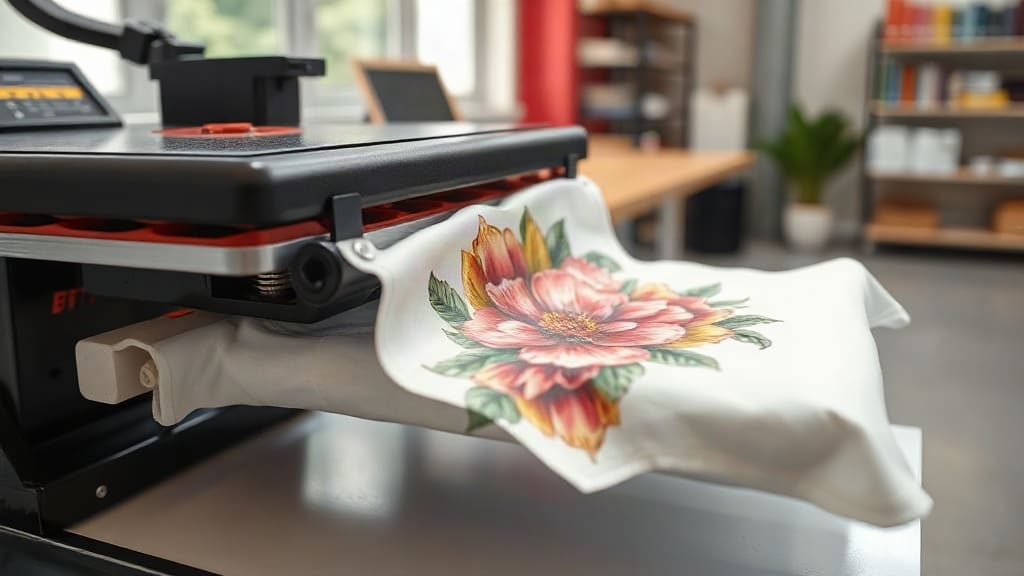
The cured film is placed onto the fabric and pressed with a heat press at around 160°C (320°F) for 15-20 seconds. The powder melts and bonds with the fabric fibers. After pressing, the film is peeled off (hot or cold peel, depending on the film type), leaving the design behind.
DTF vs. Other Printing Methods
How does DTF compare to other popular methods like DTG, screen printing, and vinyl? Each has its strengths, but DTF shines in specific areas.
DTF vs. DTG
DTG prints directly onto the garment, which limits it mostly to cotton. DTF, on the other hand, can be used on a wider range of fabrics and often produces more vibrant colors. DTF also allows for printing on dark garments without a pretreatment step, which DTG often requires.
DTF vs. Screen Printing
Screen printing is cost-effective for large orders but requires setup for each color and is impractical for small batches. DTF has no minimum order and can handle complex designs with gradients and fine details easily.
DTF vs. Vinyl
Vinyl is great for simple, single-color designs but struggles with multi-color or photographic images. DTF excels at detailed, multi-color prints and offers a softer feel on the fabric.
Applications of DTF Transfers
The versatility of DTF transfers makes them suitable for a myriad of applications:
- Custom T-shirts: Perfect for personalized tees for events, teams, or businesses.
- Sportswear: The stretchability of DTF prints makes them ideal for jerseys and activewear.
- Corporate apparel: Add logos to polos, jackets, and hats with ease.
- Promotional items: Create tote bags, aprons, and more with vibrant designs.
- Fashion: Boutiques and designers use DTF for small-batch, on-demand production.
Tips for Successful DTF Transfers
To get the best results, keep these tips in mind:
- Choose the right film: Different films are available for different fabrics and effects (e.g., matte, glossy).
- Control your heat press: Consistent temperature and pressure are key. Always pre-press the garment to remove moisture.
- Test your settings: Each fabric and film combo may require slight adjustments. Do a test press before a large order.
- Store transfers properly: Keep unused transfers in a cool, dry place to prevent the powder from absorbing moisture.
- Wash inside out: To prolong the life of the print, advise customers to wash garments inside out in cold water and avoid ironing directly on the design.
Frequently Asked Questions About DTF Transfers
How durable are DTF transfers?
When applied correctly, DTF transfers are highly durable. They can withstand 50+ washes without significant fading, cracking, or peeling. The key is proper application and following care instructions.
Can I use DTF transfers on dark fabrics?
Absolutely. DTF transfers include a white ink layer that acts as a base, allowing vibrant colors to show up on dark garments. This is one of the advantages over DTG, which may require pretreatment.
What equipment do I need to start with DTF transfers?
You'll need a DTF printer, DTF film, thermoplastic powder, a heat press, and a curing oven or heat gun. For beginners, there are starter kits available that include everything you need.
Are DTF transfers safe for children's clothing?
Yes, DTF transfers are safe for all ages. The inks and powders used are typically CPSIA-compliant, meaning they meet safety standards for children's products. Always check with your supplier for specific certifications.
How do I store DTF transfers before use?
Store them in a cool, dry place, away from direct sunlight and moisture. Excess humidity can cause the powder to clump, affecting adhesion. A sealed bag with a desiccant pack works well for long-term storage.
With their versatility, durability, and vibrant results, DTF transfers are a fantastic option for anyone looking to create custom apparel. Whether you're just starting out or expanding your offerings, this technology opens up a world of possibilities. Experiment, practice, and watch your designs come to life on fabric.