
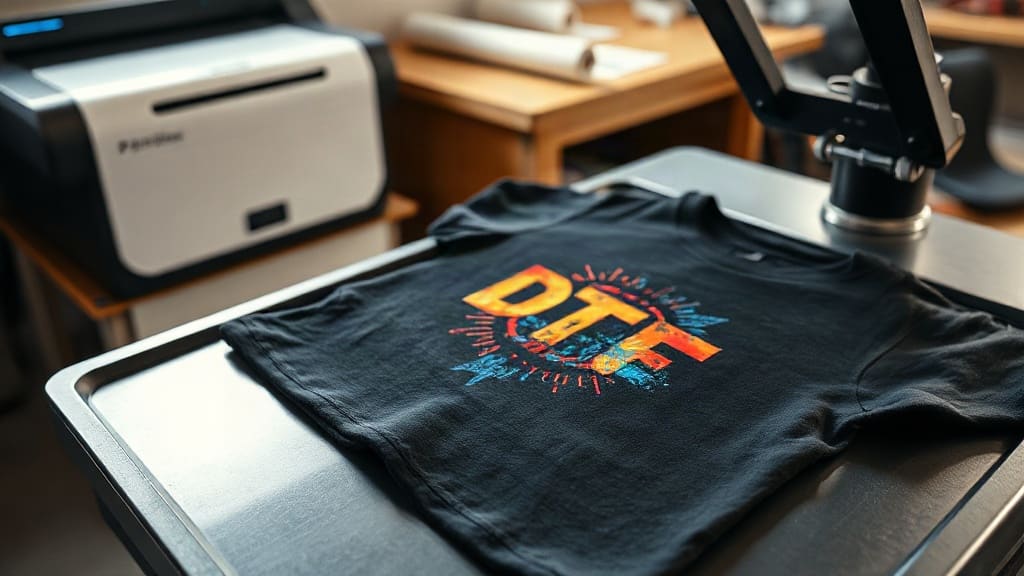
When it comes to custom apparel, DTF transfers have quickly become a game-changer for businesses and hobbyists alike. Unlike traditional methods that require specific fabrics or extensive setup, DTF transfers offer unmatched versatility and vibrant results. Whether you're printing a single t-shirt or a bulk order, this technology simplifies the process while delivering professional-quality prints that last. In this guide, we'll dive deep into what DTF transfers are, how they work, and why they might be the perfect solution for your next project.
What Are DTF Transfers?
DTF stands for Direct to Film. It's a printing method where your design is printed onto a special film, coated with a powder adhesive, and then heat-pressed onto the fabric. The result is a soft, stretchable print that bonds permanently to the material. Unlike DTG (Direct to Garment) or screen printing, DTF transfers can be applied to a wide range of fabrics, including cotton, polyester, blends, and even nylon. This flexibility makes them ideal for customizing everything from t-shirts and hoodies to tote bags and caps.
How DTF Transfers Work: Step by Step
Understanding the DTF process helps you appreciate its simplicity and effectiveness. Here's a breakdown of the key steps:
- Design Preparation: Your artwork is prepared digitally, ensuring it's mirrored and sized correctly. The printer uses CMYK plus white ink to create vibrant colors.
- Printing: The design is printed onto a PET film. The white ink layer is crucial for opacity on dark fabrics.
- Powder Application: While the ink is still wet, a hot-melt adhesive powder is applied evenly over the design. Excess powder is shaken off.
- Curing: The film passes through a heat source (like a heat press or oven) to melt the powder, creating a dry, tacky surface.
- Transfer: The film is placed on the fabric and heat-pressed. The adhesive melts, bonding the design to the fabric. After cooling, the film is peeled away, leaving the print behind.
Why Choose DTF Transfers for Your Custom Apparel?
DTF transfers offer several advantages that make them a top choice for both small businesses and large operations. Let's explore the key benefits.
Unmatched Versatility
One of the biggest perks is that DTF transfers work on almost any fabric. Cotton, polyester, blends, leather, and even nylon are all fair game. This means you can offer a wider range of products without investing in multiple printing techniques. Plus, DTF transfers handle both light and dark garments with ease, thanks to the white ink base.
Vibrant, Durable Prints
The prints produced by DTF transfers are known for their bright colors and fine details. The ink sits on top of the fabric, so it doesn't get lost in the weave. When applied correctly, DTF prints are highly durable, resisting cracking, peeling, and fading even after repeated washing. They also stretch with the fabric, making them comfortable to wear.
Cost-Effective for Small Runs
Unlike screen printing, which requires separate screens for each color and can be expensive for small batches, DTF transfers are cost-effective even for a single item. You can print one-off designs without minimum order quantities, making it perfect for personalized gifts or trying out new designs.
Easy to Use
With a heat press and a DTF printer, you can produce transfers in-house. The process is straightforward, and the learning curve is gentle. Many suppliers also offer pre-printed DTF transfers, so you can skip the printing step and just apply them.
Applications of DTF Transfers
DTF transfers are used in a variety of industries and personal projects. Here are some popular applications:
- Custom T-Shirts and Hoodies: Perfect for band merch, event shirts, or brand apparel.
- Sportswear: Because the prints stretch, they're great for jerseys and activewear.
- Promotional Items: Tote bags, caps, and uniforms can be easily customized.
- Home Decor: Pillows, aprons, and even canvas prints can feature DTF designs.
Tips for Perfect DTF Transfers
To get the best results with DTF transfers, follow these expert tips:
- Choose the Right Film: Use high-quality DTF film designed for your printer. Cheap film can cause jams or poor ink adhesion.
- Control Your Heat Press: Temperature, pressure, and time are critical. Typically, 325°F (160°C) for 15 seconds with medium pressure works well, but always check your transfer supplier's recommendations.
- Pre-Press the Garment: This removes moisture and wrinkles, ensuring a smooth surface for the transfer.
- Use Consistent Pressure: Uneven pressure can lead to incomplete transfer or a patchy look.
- Peel Correctly: Most DTF transfers are cold peel, meaning you wait for the transfer to cool completely before peeling the film. This prevents the design from stretching or lifting.
- Store Transfers Properly: Keep unused transfers in a cool, dry place to prevent the adhesive from absorbing moisture.
Common Mistakes to Avoid
Even with a straightforward process, some pitfalls can affect your results. Avoid these common mistakes:
- Not Pre-Pressing: Skipping this step can cause the transfer to adhere poorly.
- Using Too Much Pressure: This can cause the ink to spread, resulting in a blurry image.
- Peeling Too Soon: If you peel while hot, the design may crack or peel off later.
- Ignoring Fabric Type: While DTF works on many fabrics, some (like certain nylons) may require a lower temperature or a special adhesive.
Frequently Asked Questions About DTF Transfers
How long do DTF transfers last?
With proper application and care, DTF transfers can last as long as the garment itself. They withstand multiple washes without significant fading or cracking. To maximize longevity, wash inside out in cold water and avoid harsh detergents.
Can I use DTF transfers on dark colors?
Absolutely! DTF transfers include a white ink layer that makes colors pop on dark fabrics. This is one of the main advantages over DTG printing, which often requires a white underbase for dark shirts.
Do I need a special printer for DTF transfers?
Yes, you need a DTF printer that uses DTF inks and can print white ink. However, if you don't want to invest in a printer, you can order pre-printed DTF transfers from suppliers and simply apply them with a heat press.
What fabrics work best with DTF transfers?
DTF transfers work well on cotton, polyester, cotton-poly blends, and even some synthetic fabrics like nylon. They are not recommended for fabrics with a heavy texture or those that cannot withstand heat.
How do I store unused DTF transfers?
Keep them in a sealed bag or container in a cool, dry place away from direct sunlight. Moisture can ruin the adhesive powder, so avoid humid environments.
DTF transfers have opened up new possibilities for custom apparel, combining ease of use with professional results. Whether you're a small business owner or a DIY enthusiast, incorporating DTF transfers into your workflow can elevate your creations. With the right techniques and a bit of practice, you'll be producing vibrant, durable prints that impress your customers and friends alike.