
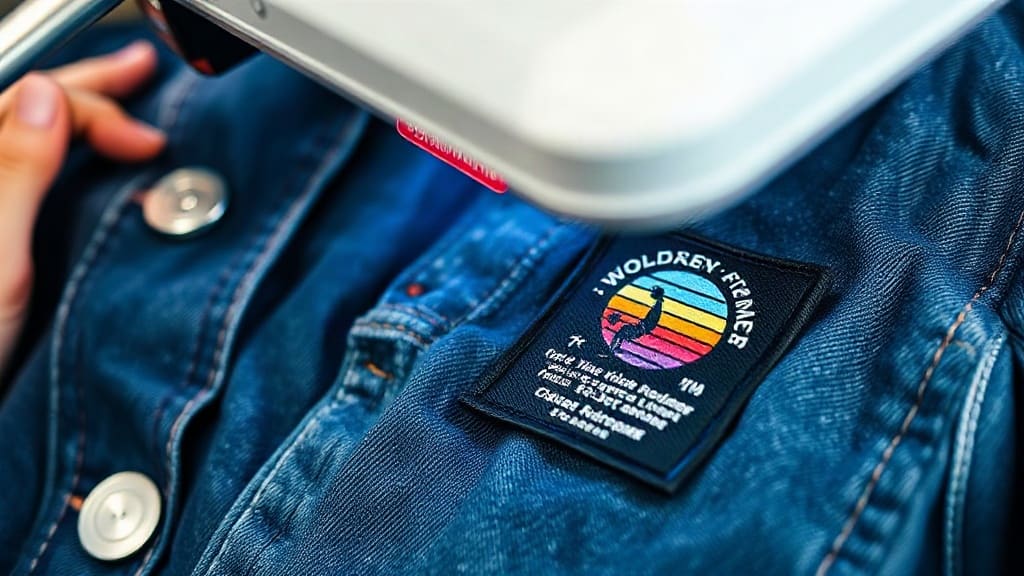
When you think of custom patches, you might picture embroidery or woven designs. But there's a game-changer in the world of patch production: DTF printing. Short for Direct-to-Film, this technology has quickly become a favorite for creating patches with photographic detail, gradient colors, and fine text that traditional methods struggle to achieve. Whether you're a brand looking to produce merch, a sports team needing durable emblems, or an individual designing a one-of-a-kind patch, understanding DTF printing can open up a world of possibilities.
What Exactly Is DTF Printing?
DTF printing is a digital printing process where your design is printed onto a special PET film using water-based inks. A thermoplastic powder adhesive is then applied to the wet ink, and the film is cured. To transfer the design onto a fabric or patch base, you apply heat and pressure with a heat press. The result is a vibrant, flexible, and durable print that bonds permanently to the material. Unlike DTG (Direct-to-Garment) printing, DTF works on a wide range of fabrics, including cotton, polyester, nylon, and even leather, making it ideal for patches that might be sewn onto various items.
Why DTF Printing Stands Out for Custom Patches
Custom patches have traditionally been produced via embroidery, woven, or PVC techniques. Each has its strengths, but DTF printing offers a unique combination of benefits that make it a top choice for many projects.
Unmatched Detail and Color Vibrancy
DTF printing excels at reproducing complex images with gradients, shadows, and fine lines. Embroidery, for instance, can't easily handle tiny text or photorealistic images because threads have limitations. Woven patches are better for detail but still can't match the full-color spectrum of DTF. With DTF, you can print a full-color photograph, a detailed logo with multiple color blends, or even a watercolor effect directly onto a patch. The inks are vivid and opaque, so your design pops on both light and dark backgrounds.
Durability That Withstands Wear and Tear
Patches often go on jackets, backpacks, hats, and uniforms that see daily use. DTF prints are known for their durability. The ink is embedded into the adhesive layer, which then bonds with the fabric fibers. When properly applied and cared for, a DTF patch can survive dozens of washes without cracking, peeling, or fading. This makes it a reliable option for workwear, sports gear, and outdoor equipment.
Versatility Across Materials
One of the biggest advantages of DTF is its ability to adhere to almost any fabric. You can print on 100% cotton, polyester, blends, and even treated nylon. For patches, this means you can choose a base material that matches your application. For example, a heavy canvas patch for a denim jacket or a lightweight polyester patch for a performance jersey. Traditional methods like embroidery are limited to certain fabrics and can be too bulky for lightweight materials.
DTF vs. Other Patch Production Methods
To truly appreciate DTF, it helps to compare it to the alternatives.
- Embroidery: Offers a classic, textured look and is very durable, but struggles with fine details and gradients. It can also be heavier and more expensive for complex designs.
- Woven: Great for intricate patterns and small text, but colors are limited to the threads available, and it can be costly for short runs.
- PVC/Silicone: Durable and waterproof, but typically only for simple shapes and solid colors, and it has a rubbery feel.
- DTF: Best for full-color, detailed designs on various fabrics. It's cost-effective for small batches and quick to produce. However, it may not have the same tactile texture as embroidery, and longevity depends on proper application and care.
Each method has its place, but if your design demands photographic realism or a wide color palette, DTF is likely your best bet.
How to Design Patches for DTF Printing
Creating a patch that looks great and lasts requires some design considerations. Here are key tips to get the most out of DTF printing.
Resolution and File Format
Always start with a high-resolution image, ideally 300 DPI at the final print size. Vector files (AI, EPS, PDF) are perfect because they scale without losing quality. If you're using raster images (JPEG, PNG), make sure they're large enough. DTF can reproduce fine details, so a low-res image will look pixelated and amateurish.
Color Considerations
DTF inks are CMYK, so colors may appear slightly different from what you see on an RGB screen. For critical color matching, request a physical sample or use a Pantone color bridge to convert. Also, remember that white ink is used as a base for vibrant colors on dark fabrics, so designs with white elements will require that base layer.
Size and Placement
Patches come in all shapes and sizes. Consider where the patch will be placed. A large back patch can handle more detail, while a small chest patch needs simpler, bolder elements to remain legible. Leave a small border around the design to ensure clean cutting and application.
Outline and Background
If your design has light colors, adding a thin dark outline can help it stand out on light backgrounds. Conversely, a white outline can make dark designs pop on dark fabrics. For patches, you might also want to include a background color to ensure the design is self-contained and doesn't rely on the fabric color.
Applying DTF Patches: Step-by-Step
Once you have your DTF transfer, applying it is straightforward but requires attention to detail.
- Prepare the surface: Ensure the fabric or patch base is clean, dry, and wrinkle-free. Preheat the fabric for a few seconds to remove moisture.
- Position the transfer: Place the DTF film with the printed side down onto the fabric. Use heat-resistant tape if needed to keep it in place.
- Heat press: Set your heat press to the recommended temperature (usually 300-320°F / 150-160°C) and pressure (medium to firm). Press for 10-15 seconds.
- Peel: Wait a few seconds for the transfer to cool slightly, then peel the film off in a smooth, consistent motion. If the design lifts, press again for a few more seconds.
- Post-press (optional): For extra durability, cover the design with a Teflon sheet or parchment paper and press again for 5-10 seconds.
Always follow the specific instructions provided by your DTF supplier, as formulations can vary.
Caring for Your DTF Patches
To keep your DTF patches looking fresh, follow these care tips:
- Wait at least 24 hours after application before washing.
- Turn the garment inside out before washing.
- Machine wash cold with mild detergent. Avoid bleach and fabric softeners.
- Tumble dry low or hang dry. Avoid high heat.
- If ironing, do not iron directly on the print. Use a pressing cloth or iron inside out.
With proper care, your DTF patches will remain vibrant and intact for a long time.
Common Mistakes to Avoid with DTF Patches
Even though DTF is forgiving, some pitfalls can ruin your project. Here are a few to watch out for:
- Insufficient pressure: If the pressure is too low, the adhesive won't bond properly, leading to early peeling.
- Wrong temperature: Too hot can scorch the fabric or cause the ink to spread; too cool results in poor adhesion.
- Peeling too soon: If you peel while the transfer is still hot, the design may stretch or tear. Wait for it to cool to warm.
- Ignoring fabric type: Some fabrics, like those with a waterproof coating, may require special DTF formulations or additional steps.
- Poor design resolution: Low-res images will look bad no matter how well you apply them.
By avoiding these mistakes, you'll get professional-looking results every time.
DTF Printing for Small Businesses and Creators
DTF printing has democratized custom patch production. Unlike embroidery, which requires expensive machines and skilled operators, DTF setups are relatively affordable and easy to learn. This makes it perfect for small businesses, Etsy sellers, and hobbyists who want to offer custom patches without a huge upfront investment. You can print one-off designs or small batches cost-effectively, and the process scales up as your business grows. Many entrepreneurs are using DTF to create branded patches for hats, jackets, and bags, adding a professional touch to their products.
Frequently Asked Questions About DTF Printing for Patches
Can DTF printing be used on any fabric for patches?
DTF printing works on a wide range of fabrics, including cotton, polyester, blends, and nylon. However, some fabrics with special coatings (like waterproof or flame-resistant treatments) may require testing or special adhesives. It's always best to test on a swatch first.
How durable are DTF printed patches compared to embroidered ones?
DTF patches are very durable when applied correctly. They can withstand regular washing and wear. However, embroidery is generally more resistant to abrasion and high heat. For extreme conditions, embroidery might last longer, but DTF holds up well for most everyday applications.
What is the minimum order quantity for DTF patches?
One of the biggest advantages of DTF is that there is no minimum order quantity. You can produce a single patch or thousands. This makes it ideal for prototypes, personalized items, or small businesses.
Do DTF patches require special washing instructions?
Yes, to maximize longevity, wash inside out in cold water, avoid bleach and fabric softener, and tumble dry low or hang dry. Avoid ironing directly on the print. Following these guidelines will keep your patch looking new.
Can I print white text on a dark patch using DTF?
Absolutely. DTF printing uses a white ink base, so white text and designs show up brightly on dark fabrics. This is a major advantage over other methods like DTG, which may struggle with white on dark.
With its versatility, vibrant results, and ease of use, DTF printing is transforming the custom patch industry. Whether you're a creator or a business, exploring DTF for your next patch project could yield impressive, professional-grade results.