When it comes to custom patches and apparel, the printing method you choose can make or break the final product. Enter DTF printing, a relative newcomer that's quickly becoming a favorite among creators and businesses alike. Unlike traditional methods that require specific fabrics or complex setups, DTF printing works on almost any material, delivering vivid colors and fine details that hold up wash after wash. In this guide, we'll dive deep into what DTF printing is, how it works, and why it might be the perfect fit for your next project.
What Is DTF Printing?
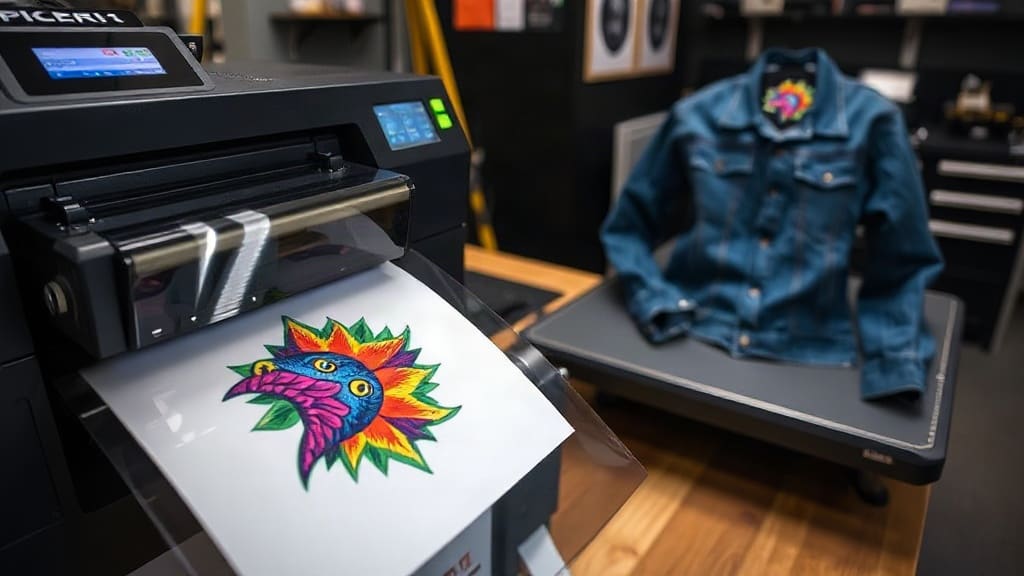
DTF stands for Direct-to-Film. It's a printing technique where your design is printed onto a special film, coated with a heat-activated adhesive powder, and then transferred onto the fabric using a heat press. This two-step process allows for incredible versatility because the design doesn't need to be printed directly onto the garment. Instead, it's created on film first, which means you can apply it to a wide range of materials, including cotton, polyester, blends, and even leather or canvas. The result is a soft, flexible print that stretches with the fabric and resists cracking.
How Does DTF Printing Work?
Understanding the DTF process helps you appreciate its potential. Here's a step-by-step breakdown:
- Design Preparation: Your artwork is prepared digitally, with colors separated and mirrored if necessary.
- Printing onto Film: A specialized DTF printer lays down a layer of white ink (for opacity) followed by the colored inks onto a PET film. The white ink acts as a base, ensuring the colors pop on dark fabrics.
- Powder Application: While the ink is still wet, a thermoplastic powder is applied to the film. The powder sticks to the ink and is then shaken off, leaving a fine layer that will become the adhesive.
- Curing: The film is heated to melt the powder, creating a smooth, dry surface that can be stored or used immediately.
- Heat Transfer: The film is placed on the fabric and pressed with a heat press at a specific temperature and pressure for a set time. The adhesive melts and bonds with the fabric.
- Peeling: Once cooled, the film is peeled away, leaving the design permanently adhered to the garment.
This method eliminates the need for weeding (like in vinyl) or color limitations (like in screen printing), making it a game-changer for small businesses and DIY enthusiasts.
Why Choose DTF Printing for Custom Patches?
Custom patches have traditionally been made with embroidery or woven techniques, but DTF printing offers a fresh alternative. Here's why it stands out:
- Unlimited Colors and Gradients: Unlike embroidery, which struggles with complex gradients and fine details, DTF can reproduce photorealistic images and smooth color transitions.
- No Minimum Order: You can print a single patch or hundreds without setup costs, ideal for prototypes or small batches.
- Durability: When applied correctly, DTF patches withstand repeated washing and wear, making them suitable for uniforms, jackets, and hats.
- Soft Hand Feel: The print is thin and flexible, so it doesn't feel like a stiff plastic layer on the fabric.
- Versatility: You can apply DTF transfers to cotton, polyester, blends, and even treated leather, opening up endless possibilities for patch placement.
For businesses looking to create branded merchandise, DTF printing provides a cost-effective way to produce high-quality patches that look professional and last.
DTF Printing vs. Other Methods
How does DTF stack up against screen printing, DTG, and vinyl? Let's compare:
DTF vs. Screen Printing
Screen printing is cost-effective for large orders of simple designs, but it requires separate screens for each color, making complex designs expensive. DTF excels with intricate, multi-color designs and small batches, with no per-color setup fees.
DTF vs. DTG
Direct-to-Garment (DTG) printing is limited to cotton fabrics and often requires pre-treatment. DTF works on a wider range of materials and doesn't need pre-treatment, though it involves an extra transfer step.
DTF vs. Vinyl
Heat transfer vinyl (HTV) is great for simple text and shapes, but weeding is time-consuming and multi-color designs require layering. DTF eliminates weeding and allows for full-color prints in one go.
Tips for Successful DTF Printing
To get the best results with DTF, keep these expert tips in mind:
- Choose the Right Film: Not all DTF films are created equal. Look for films designed for your printer and ink type. Double-sided matte film is popular for its ease of use.
- Control Moisture: Humidity can affect powder adhesion. Store film and powder in a dry environment and consider using a dehumidifier in your workspace.
- Optimize Press Settings: Temperature, pressure, and time vary by fabric and transfer. Start with manufacturer recommendations and adjust. Typically, 300-325°F for 10-15 seconds with medium pressure works well.
- Pre-Press Garments: This removes wrinkles and moisture, ensuring a smooth application.
- Use a Cover Sheet: When pressing, place a Teflon sheet or parchment paper over the transfer to protect the design and your heat press.
- Test Washability: After applying, wait 24 hours before washing. Turn the garment inside out and use cold water to prolong the life of the print.
These small details can significantly impact the durability and appearance of your DTF transfers.
Applications of DTF Printing
DTF printing isn't just for t-shirts. Its versatility makes it ideal for:
- Custom Patches: Create detailed logos, emblems, or artwork for jackets, jeans, and bags.
- Sportswear: Add team names, numbers, and sponsors to jerseys and uniforms.
- Corporate Apparel: Brand polos, hoodies, and caps with company logos.
- Promotional Items: Personalize tote bags, aprons, and more for events.
- Home Decor: Embellish pillows, quilts, and wall hangings with intricate designs.
Whether you're a small business owner, a craft enthusiast, or a large manufacturer, DTF printing opens up a world of creative possibilities.
Getting Started with DTF Printing
Ready to try DTF printing? Here's what you'll need:
- DTF Printer: Options range from converted Epson printers to dedicated DTF machines. Choose based on your volume and budget.
- DTF Inks: Use high-quality inks designed for DTF to ensure vibrant colors and clog-free operation.
- PET Film: Available in rolls or sheets, in single or double-sided matte.
- Adhesive Powder: Typically TPU-based, available in fine or medium grain.
- Heat Press: A reliable heat press with accurate temperature and pressure control is essential.
- Curing Oven or Heat Gun: For melting the powder, though some skip this by using the heat press for curing.
Start with a small setup to learn the ropes, then scale as you grow. Many suppliers offer starter kits that include everything you need.
Common Mistakes to Avoid
Even seasoned printers make mistakes. Watch out for these:
- Insufficient Powder: Too little powder leads to poor adhesion; too much creates a rough texture. Aim for an even coat.
- Improper Curing: Under-cured powder won't bond; over-curing can burn the film. Follow guidelines and test.
- Wrong Pressure: Too little pressure means incomplete transfer; too much can cause ink to spread. Adjust your press.
- Ignoring Fabric Type: Some fabrics like nylon or waterproof materials may require special films or lower temperatures.
- Skipping Pre-Press: Not pre-pressing can trap moisture, leading to poor adhesion and washout.
By avoiding these pitfalls, you'll achieve professional-looking results consistently.
Frequently Asked Questions
Is DTF printing durable for patches?
Yes, when applied correctly, DTF prints are highly durable. They resist cracking, peeling, and fading, even after multiple washes. The key is proper powder application and curing.
Can I use DTF on any fabric?
DTF works on most fabrics, including cotton, polyester, blends, and leather. However, some specialty fabrics like nylon or those with waterproof coatings may require adjusted settings or special films.
Do I need a special printer for DTF?
You can convert a standard inkjet printer (like certain Epson models) to use DTF inks, but dedicated DTF printers are available and often yield better reliability and color output.
How long does a DTF transfer last?
With proper care, a DTF transfer can last as long as the garment itself. Wash inside out in cold water and avoid harsh detergents to maximize longevity.
Is DTF printing cost-effective for small businesses?
Absolutely. With no minimums and low setup costs, DTF is ideal for small businesses, allowing you to offer custom patches and apparel without large upfront investments.
Final Thoughts
DTF printing is revolutionizing the custom patches and apparel industry with its versatility, durability, and vibrant results. Whether you're a crafter or a commercial printer, mastering DTF can open new revenue streams and creative avenues. Remember to source quality supplies, follow best practices, and experiment to find what works best for your setup. With DTF, the only limit is your imagination.